

Trump's Fed Pressure Could Backfire, Delaying Rate Cuts
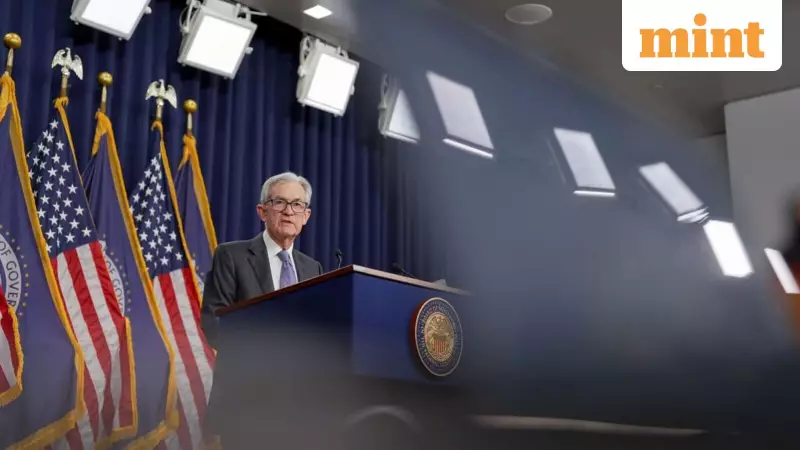
Markets barely flinched when Federal Reserve Chair Jerome Powell delivered a strong rebuttal against Trump administration attempts to influence monetary policy. This lack of reaction highlights a surprising calm in financial circles, even as political tensions escalate.
The Fed Pushes Back Against Political Pressure
Jerome Powell sharply changed his approach with critics recently. Instead of calmly responding as before, he counterpunched allegations about Fed building renovations. Powell argued these were pretexts to force interest rate cuts. The Georgetown law graduate made it clear the central bank values its independence.
Other Fed officials quickly closed ranks behind their chair. They defended the institution against political interference throughout the past week. Several officials also spoke against further near-term rate cuts, following reductions totaling 1.75 percentage points over two years.

Jeff Schmid of the Kansas City Fed and Austan Goolsbee of the Chicago Fed emphasized bringing down inflation. Both had dissented on December's rate cut. Inflation remains stubbornly above the official 2% target, complicating decisions about future reductions.
Why Political Pressure Might Actually Prevent Rate Cuts
Here's the irony: administration pressure could make Fed officials less likely to cut rates. They don't want to appear as if they're knuckling under political demands. Michael Feroli, J.P. Morgan's chief U.S. economist, now expects no further reductions in 2026.
Improving job growth and GDP, along with core inflation above 3%, argue against additional cuts. This contrasts with median expectations among Fed officials for one quarter-point cut by year-end. Futures markets have priced in two cuts according to the CME FedWatch tool.
Financial markets showed remarkable calm during this conflict. Currencies, bonds, and stocks appeared largely nonplussed by the escalating tensions. Some observers compared the allegations against Powell to spitting on the sidewalk rather than serious malfeasance.
Alternative Approaches to Lower Borrowing Costs
With the Fed and bond markets unlikely to lower financing costs, the administration has pursued other methods. Trump has asserted banks must cap credit-card rates at 10%, far below typical 20%-plus charges. Bank executives have pushed back, arguing caps would restrict credit for consumers with imperfect scores.
The administration has seen more success with mortgage rates. Fannie Mae and Freddie Mac recently purchased $200 billion in mortgage-backed securities. This helped narrow yield differentials, bringing new 30-year home loans to just over 6%, near the lowest since 2022.
BMO rates strategists note these actions show White House willingness to use unconventional means. However, BCA Research strategists counter that further tightening in mortgage spreads seems unlikely.
Innovative Solutions for Housing Affordability
One novel solution remains on policymakers' shelves: mortgage portability. Harley Bassman, former head of mortgage operations at Merrill Lynch, argues this could break the "housing log jam." Current homeowners with 3% mortgages can't afford to move even into lower-priced houses.
Portability would allow borrowers to transfer existing low-rate mortgages to new homes. This system already exists in Canada, Australia, and the United Kingdom. It would increase housing turnover as personal circumstances change for jobs or retirement.
Historical Parallels and Future Concerns
The current situation echoes Nixon-era command-and-control economics. The legal assault on the Fed fits a pattern of using direct controls for favorable economic results ahead of midterm elections. However, history shows these measures often have negative longer-term consequences.
Nixon's wage-and-price controls, combined with pressure for easy Fed policies, led to 1970s stagflation. That lesson appears forgotten as similar approaches reemerge. While Main Street might fare better than Wall Street in the short term, the long-term outlook remains uncertain.

The administration's efforts may provide limited political benefits before November's elections. But they're unlikely to achieve their desired effect on monetary policy. If anything, political pressure might backfire by making the Fed more resistant to rate cuts markets had anticipated.





