

Trust-Based Tax Administration at Core of Finance Bill 2026, Says FM Sitharaman
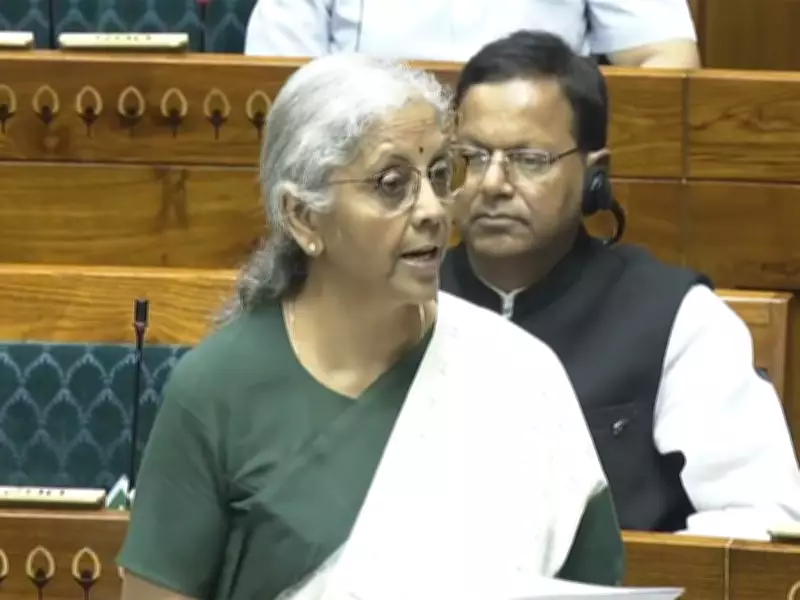
Finance Minister Nirmala Sitharaman declared in the Lok Sabha on Wednesday that a trust-based tax administration is the central pillar of the Finance Bill 2026, aimed at reducing unnecessary hardship for honest taxpayers. Addressing the House, she emphasized that the government is steering India into a new era of economic governance characterized by systemic clarity rather than reactive measures.
Reforms Driven by Conviction, Not Compulsion
Sitharaman stated, "India is moving forward with reform not out of compulsion, which is what has happened earlier, but out of conviction, with clarity, confidence and commitment." She framed the Finance Bill 2026-27 around five foundational principles, highlighting that the nation is "riding on the reform express under the leadership of Hon'ble PM Shri Narendra Modi."
Key Principles of the Finance Bill 2026
The bill's core objectives include:

- Enhancing ease of living and doing business: Designed to ensure people are not burdened by compliances, permits, quotas, and licenses for legitimate activities.
- Empowering MSMEs, farmers, and cooperatives: These sectors are at the heart of employment generation, production, and overall development, with measures to improve liquidity and reduce compliance burden.
- Making India a global business hub: Bringing clarity in taxation for critical sectors like digital infrastructure, electronics manufacturing, and nuclear energy.
- Enabling seamless trade facilitation: Through comprehensive customs reforms to simplify cross-border processes.
Financial Details and Utilization of Cesses
Sitharaman provided detailed financial insights, noting that in the six-year period from 2019-20 to 2024-25, the cumulative utilization of cesses exceeded collections by Rs 15.14 lakh crore. She explained, "Rs 15.97 lakh crore have been sent to the states under various schemes. So, more than what is collected under cesses and surcharges is being spent."
Additionally, for health and education cess, Rs 74,000 crore extra has been spent over and above collections. Between 2014-15 and 2026-27, Rs 7.03 lakh crore was collected, with total utilization standing at Rs 7.77 lakh crore.
Legislative Progress
The Lok Sabha passed the Finance Bill, 2026, which gives effect to the financial proposals of the Central Government for the financial year 2026-2027. Concurrently, the Insolvency and Bankruptcy Code (Amendment) Bill, 2025, as reported by the Select Committee, was taken up for further consideration and passing in the Lok Sabha.
This legislative move underscores the government's commitment to fostering a transparent and supportive economic environment, prioritizing trust and efficiency in tax administration to drive national growth and development.






