

Understanding Inclusive Growth in India: A Comprehensive Analysis
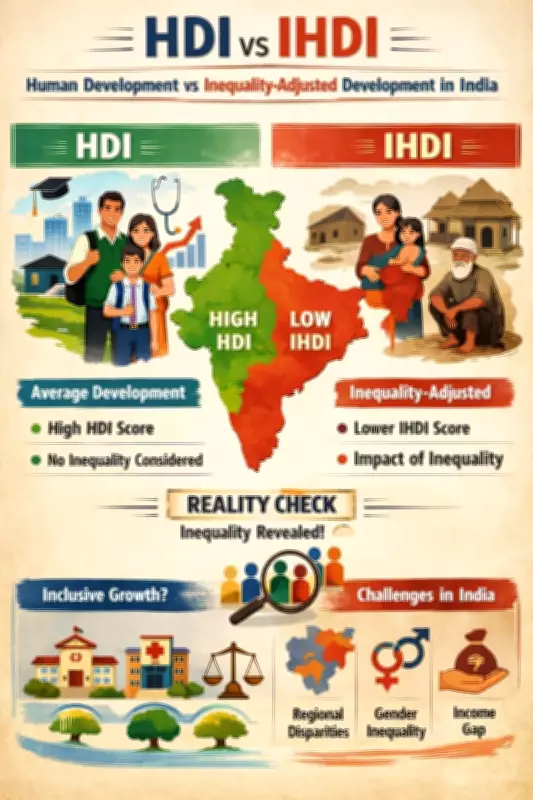
The concept of inclusive growth has become a central theme in India's economic and social policy discussions, aiming to ensure that the benefits of development reach all segments of society. This approach goes beyond mere economic expansion to address disparities in income, education, healthcare, and opportunities, fostering a more equitable and sustainable future for the nation.
What is Inclusive Growth?
Inclusive growth refers to a development strategy that promotes broad-based participation in economic activities, ensuring that marginalized and vulnerable groups are not left behind. It emphasizes reducing poverty, inequality, and social exclusion while enhancing access to essential services and resources. In the Indian context, this involves targeted policies to uplift rural populations, women, minorities, and other disadvantaged communities.
Key Components of Inclusive Growth in India
Several factors contribute to achieving inclusive growth in India:

- Economic Policies: Initiatives like the Mahatma Gandhi National Rural Employment Guarantee Act (MGNREGA) and various subsidy schemes aim to provide livelihood security and reduce income disparities.
- Social Infrastructure: Investments in education and healthcare, such as the Sarva Shiksha Abhiyan and Ayushman Bharat, are crucial for improving human capital and ensuring equal opportunities.
- Financial Inclusion: Programs like Jan Dhan Yojana promote access to banking services, enabling economic participation for the unbanked population.
- Technological Advancements: Digital India initiatives leverage technology to bridge gaps in service delivery and empower citizens through e-governance and digital literacy.
Challenges to Inclusive Growth
Despite progress, India faces significant hurdles in achieving inclusive growth:
- Regional Disparities: Variations in development between states and urban-rural divides persist, affecting access to resources and opportunities.
- Social Inequalities: Caste, gender, and ethnic-based discrimination continue to hinder equitable participation in the economy.
- Infrastructure Gaps: Inadequate transportation, sanitation, and energy infrastructure in many areas limit economic growth and quality of life.
- Environmental Concerns: Sustainable development is essential to ensure that growth does not compromise environmental health, particularly for vulnerable communities.
Government Initiatives and Future Directions
The Indian government has launched numerous schemes to promote inclusive growth, including skill development programs, affordable housing projects, and agricultural reforms. Moving forward, a multi-pronged approach is needed, combining policy interventions, community engagement, and private sector collaboration. Emphasis on data-driven decision-making and monitoring outcomes will be key to addressing gaps and scaling successful models.
In conclusion, inclusive growth in India is not just an economic imperative but a moral one, essential for building a resilient and just society. By focusing on equity and sustainability, India can harness its demographic dividend and achieve holistic development for all its citizens.






