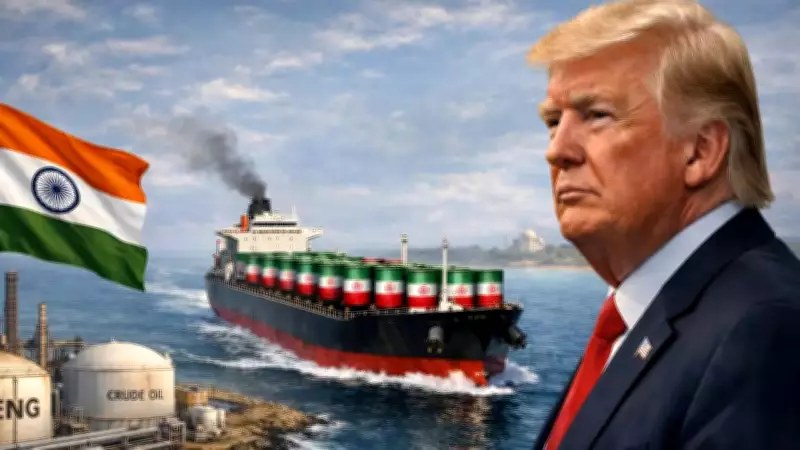
US Signals Potential Sanctions Waiver on Iran Crude Oil to Ease Global Energy Shock
The Donald Trump administration has indicated it may waive sanctions on floating Iran crude oil, aiming to mitigate the ongoing turmoil in global energy markets. This move comes as the US-Israel-Iran conflict drives crude oil prices higher, with Brent crude nearing $120 per barrel.
US Treasury Secretary Hints at Lifting Sanctions on Iranian Oil in Transit
US Treasury Secretary Scott Bessent, in an interview with Fox Business, revealed that Washington is considering unsanctioning Iranian oil cargoes already at sea. This action could release approximately 140 million barrels of oil, equivalent to 10 to 14 days of global supply, which was previously destined for China. Bessent emphasized that this strategy would use Iranian barrels against Iran to help control prices temporarily.
He also suggested the US might tap into its strategic petroleum reserves to further stabilize oil prices. The conflict escalated after US-Israeli strikes on Iran on February 28, leading to disruptions in commercial shipping through the Strait of Hormuz, a critical route for nearly one-fifth of the world's crude oil and LNG shipments.

Impact on India's Crude Oil Supply and Procurement Strategies
India has not imported crude oil from Iran since mid-2019, following the end of US sanctions waivers. Approximately 35-40% of India's crude oil needs are met via shipments passing through the Strait of Hormuz, which has been effectively closed due to the war, causing supply disruptions.
To counter potential oil supply shocks, India has aggressively increased purchases of Russian crude oil, buying 30 million barrels in a week after the conflict began. If the US unsanctions Iran oil at sea, India could resume procurement, adding a significant source to its crude supply basket.
Expert Analysis on India's Potential Re-engagement with Iranian Crude
Sumit Ritolia, Lead Research Analyst at Kpler, notes that India was historically a major buyer of Iranian crude, with imports peaking at around 11.5% of total imports. He highlights that speculation about US sanctions relaxation has brought Iranian crude back into focus for global oil flows, with India and China as key demand centers.
Ritolia explains that Indian refiners have the technical capability to reintegrate Iranian barrels, with roughly 170 million barrels estimated to be on water, including floating storage and transit shipments. However, any resumption of imports will depend on commercial viability and geopolitical factors, such as pricing, payment mechanisms, and the durability of sanctions relief.
He concludes that if conditions align, India could see a significant increase in Iranian crude imports, similar to the rapid uptake of Russian crude after Western sanctions eased.