

A significant exodus of some of the world's wealthiest individuals from California is reportedly underway, driven by a looming and controversial wealth tax proposal. High-profile tech billionaires and venture capitalists are severing their ties with the Golden State, seeking refuge in tax-friendly states like Texas and Florida.
The Trigger: A Proposed 5% Tax on Total Wealth
The mass departure is a direct response to a potential ballot measure that could impose a 5% tax on the total wealth of ultra-rich residents. If passed, this tax would apply to anyone who was a California resident at the start of 2026, potentially costing individuals billions of dollars. The measure has been labelled an "asset seizure tax" by its critics within the tech and investment community.
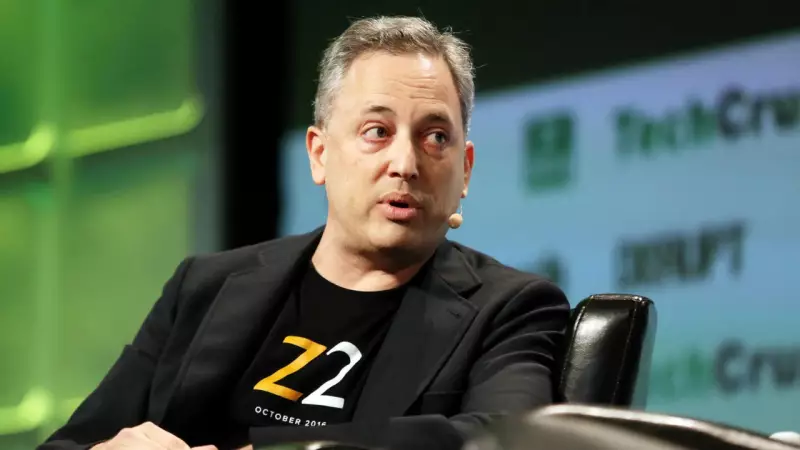
Among the prominent names linked to this flight are Google co-founder Larry Page and venture capitalist Peter Thiel. The most vocal confirmation has come from David Sacks, a longtime venture capitalist, former PayPal executive, and now President Donald Trump's crypto czar. Sacks publicly announced his firm, Craft Ventures, has opened an office in Austin, Texas.

"I'm pleased to end the year by announcing that Craft Ventures has opened an Austin office. God bless Texas and happy new year!" Sacks wrote on social media.
Silicon Valley's Vocal Backlash
The proposed tax has ignited a fierce backlash from Silicon Valley's elite. David Sacks, who also serves as the White House AI czar, has been publicly slamming the California Wealth Tax. In a series of posts, he accused California Democrats of fostering "massive fraud" and contrasted the state's policies with those of red states.
"Red states like Texas and Florida don't even have income taxes. Democrats steal everything, then blame job creators for their 'greed,'" Sacks stated in one post. In another, he warned, "After blindly funding the Left for years, Silicon Valley is finally realizing what time it is. Dinner time. And they're on the menu."
Venture capitalist and former Facebook executive Chamath Palihapitiya issued a stark warning, claiming that people he knows, with a collective net worth of $500 billion, permanently left California on December 31 to avoid the tax risk. He argued that their departure would worsen the state's budget deficit, leading to more borrowing or higher taxes on remaining residents.
Other influential figures condemning the tax include hedge fund manager Bill Ackman and Garry Tan, CEO of the San Francisco-based startup accelerator Y Combinator. Tan warned bluntly, "Passing this tax will destroy innovation in California." Ackman, though not a California resident, predicted that "literally no one would stay" if the tax becomes law.
Potential Consequences for California
The warnings from these billionaires point to severe potential consequences for California's economy and innovation ecosystem. The primary concerns are:
- Massive Revenue Loss: The departure of ultra-high-net-worth individuals could lead to a significant loss in existing tax revenue, contrary to the tax's goal.
- Widening Budget Deficit: As Palihapitiya noted, the state's budget deficit could grow larger without these taxpayers, forcing alternative, less favourable fiscal measures.
- Erosion of the Tech Hub: Critics argue that such a tax could drive away the talent and capital that made Silicon Valley a global innovation centre, stifling future growth and startup formation.
While the claims of a coordinated $500 billion exodus lack official confirmation beyond individual announcements like Sacks's, the very public revolt from some of the state's most prominent business leaders signals a major political and economic battle on the horizon. The outcome of the wealth tax proposal could reshape the landscape of wealth and innovation in the United States.






