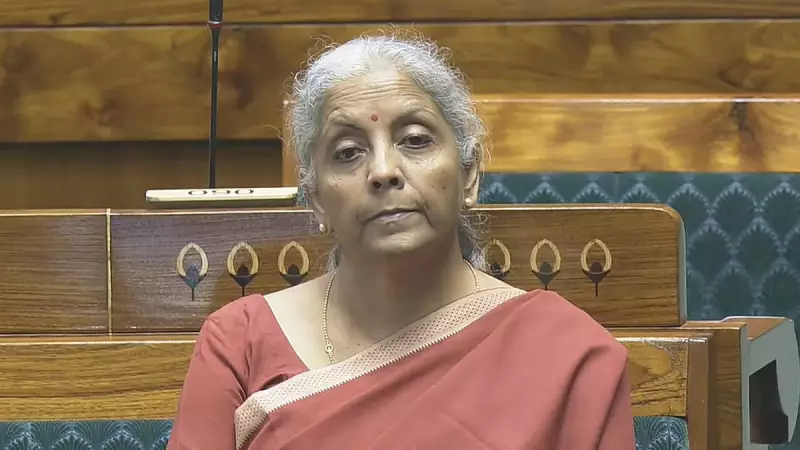
Finance Minister Nirmala Sitharaman has identified the simplification of customs procedures as the upcoming significant reform agenda for the government. This announcement follows a series of fiscal measures already undertaken in the current financial year aimed at stimulating the economy.
Recent Reforms to Boost Consumption
According to the Finance Minister, the government has recently focused on rate rationalisation and simplification within both the income tax and the Goods and Services Tax (GST) regimes. The primary objective behind these moves has been to spur consumption across the economy. By streamlining these tax structures, the government intends to leave more disposable income with ordinary citizens, thereby encouraging spending and investment.
These reforms, executed during the current financial year, are part of a broader strategy to enhance economic resilience and growth. The simplification of complex tax processes is seen as a direct method to reduce compliance burdens and increase efficiency for both individuals and businesses.

Customs Overhaul on the Horizon
Sitharaman's statement, made on 06 December 2025, clearly signals the government's future policy direction. She positioned the simplification of customs procedures as the logical next step in the ongoing reform cycle. While details of the proposed customs reforms were not fully elaborated, the emphasis is on making cross-border trade smoother, faster, and less cumbersome.
This focus aligns with broader goals of improving India's ease of doing business rankings and integrating more seamlessly with global supply chains. A streamlined customs process can reduce costs and delays for exporters and importers, potentially boosting trade and economic activity.
Implications for the Economy and Common Man
The cumulative impact of these reforms—from income tax and GST to the proposed customs changes—is designed to create a more efficient and taxpayer-friendly fiscal ecosystem. For the common man, the earlier tax reforms translate to more cash in hand, which can drive demand for goods and services. For businesses, especially those engaged in international trade, simpler customs could mean reduced logistical overhead and enhanced competitiveness.
The government's phased approach suggests a sustained commitment to structural economic reforms. By addressing key areas of taxation and trade facilitation sequentially, policymakers aim to build a stronger foundation for long-term growth, investment, and job creation.