

Why India's Customs Duty-Free Allowance Demands Immediate Revision After a Decade
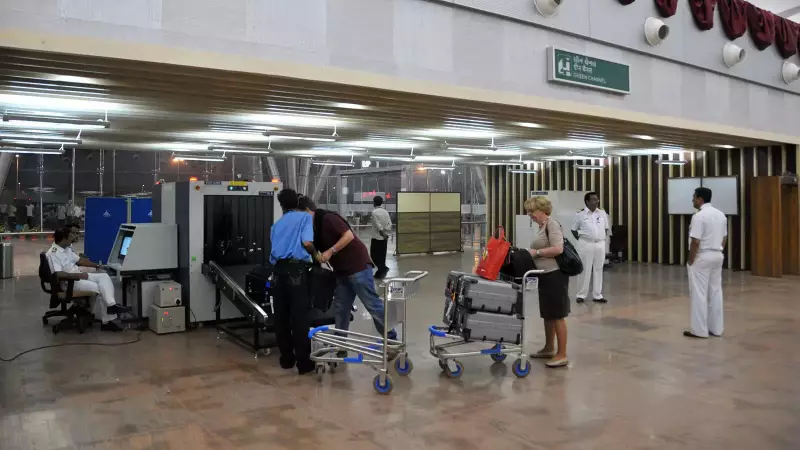
Every international passenger arriving in India faces a crucial decision after completing immigration and collecting their baggage: navigating the customs clearance process. This system requires travelers to either declare goods exceeding permitted limits through the Red Channel or pass through the Green Channel if within allowances. However, India's duty-free baggage allowance framework has remained stagnant since its last update in 2016, creating a significant disconnect with economic realities.
The Current Customs Framework and Its Limitations
The existing customs regulations establish specific allowance limits for different passenger categories, determining which items remain duty-free. These limits were designed to accommodate reasonable personal purchases while protecting domestic markets. Yet, nearly a decade has passed since these thresholds were last reviewed, during which time global inflation has substantially altered purchasing power and product pricing.
The Impact of Unaddressed Price Inflation
When customs rules fail to account for prolonged price increases, several practical problems emerge for travelers:

- Outdated valuation thresholds that no longer reflect current market prices for electronics, luxury goods, and other commonly purchased items
- Increased compliance burden on passengers who must declare items that would have been within reasonable limits a decade ago
- Potential for unnecessary disputes between customs officials and travelers regarding valuation of goods
- Reduced purchasing flexibility for international visitors and returning residents
The Need for Systematic Review and Adjustment
Customs regulations should incorporate automatic adjustment mechanisms or regular reviews that factor in economic indicators like inflation indices. Without such provisions, the system becomes progressively disconnected from market realities. A decade-long gap between updates represents an exceptionally long period during which cumulative price increases can render originally reasonable allowances inadequate.
The current situation highlights the importance of proactive policy maintenance rather than reactive adjustments. Regular reviews would ensure customs regulations remain fair, practical, and aligned with economic conditions while continuing to serve their intended purposes of revenue collection and market protection.






