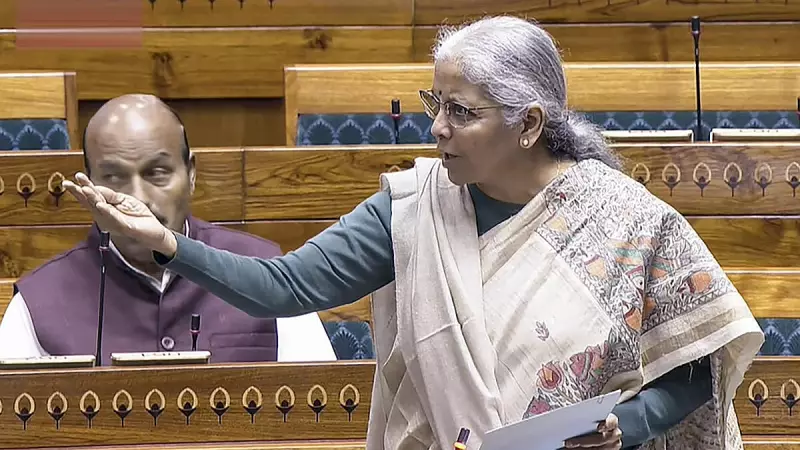
In a significant legislative development, the Lok Sabha has approved a bill that empowers the government to levy and modify excise duties on tobacco and various tobacco products. The move, which took place on 03 December 2025, marks a pivotal step in the nation's fiscal and public health policy.
What the Bill Aims to Change
The core objective of the passed legislation is to formally substitute the existing table that outlines the tariff rates for tobacco within a key section of the Central Excise Act of 1944. Specifically, the amendment targets the table present in Section IV of the Fourth Schedule to the Act. This substitution provides the legal framework for the government to set and revise the excise duties imposed on these goods.
Understanding the Legislative Context
The Central Excise Act, 1944, serves as the foundational law for levying and collecting excise duty on goods manufactured within India. Excise duty is a form of indirect tax charged on the manufacture of specific items. By amending the schedule of this act, Parliament directly influences the taxation structure for the tobacco industry. This procedural update is essential for implementing new duty rates without requiring a completely new act each time an adjustment is deemed necessary.

Potential Implications and Next Steps
The passage of this bill in the Lower House sets the stage for potential changes in the retail price of cigarettes, bidis, and other tobacco products. Historically, such duty revisions are pursued with dual goals: to boost government revenue and to discourage consumption by making tobacco less affordable, aligning with public health objectives. Following its clearance in the Lok Sabha, the bill will proceed to the Rajya Sabha for further scrutiny and approval. Once passed by both Houses and receiving the President's assent, it will become law, enabling the government to officially notify the revised excise duty rates.
This legislative action underscores the ongoing efforts to use fiscal policy as a tool for regulating the consumption of products deemed harmful to health, while simultaneously contributing to the national exchequer.