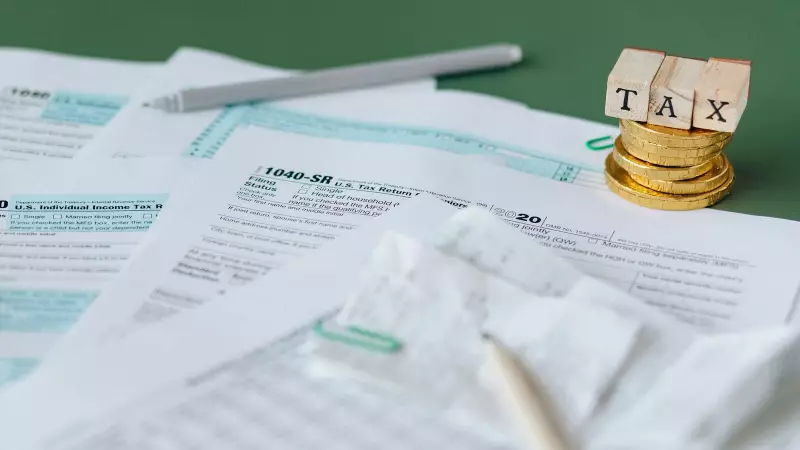
The clock is ticking for taxpayers across India as the crucial third instalment of advance tax for the financial year 2025-26 falls due on Monday, 15 December 2025. This payment is a mandatory obligation for individuals whose estimated annual tax liability, after accounting for Tax Deducted at Source (TDS), exceeds ₹10,000. The rule applies to income from various sources like freelancing, business profits, capital gains, and rental income.
Understanding the Advance Tax Instalment Schedule
The Income Tax Department mandates that individuals pay their estimated annual tax in four parts, rather than a lump sum at the year's end. This system of advance tax helps in the steady flow of revenue to the government and avoids a large financial burden on the taxpayer in March. The payment schedule is clearly defined.
Taxpayers must pay 15% of their total estimated tax by 15 June, 45% by 15 September, 75% by 15 December, and the full 100% by 15 March of the financial year.

Consequences of Missing the December Deadline
What happens if you fail to pay the required 75% by today? According to Suraj Singh, founder of SD Singh & Associates, Chartered Accountants, there is no direct penalty, but the law imposes an interest charge for the shortfall. Section 234C of the Income Tax Act, 1961 becomes applicable.
If you miss the 15 December deadline, you will be liable to pay simple interest at 1% per month. This interest is calculated for a period of three months on the amount by which your paid tax falls short of the 75% requirement. It is a cost for the delayed payment of that specific instalment.
Exemptions and a Recovery Path
A significant relief is provided to senior citizens. Namit Saxena, a Special Public Prosecutor and Income Tax official, clarifies that senior citizens aged 60 and above are exempt from paying advance tax if they have no income from a business or profession. This exemption holds even if they earn pension, interest, or capital gains.
For others who miss the December date, all is not lost. Saxena points out that you can still pay the entire remaining advance tax in one go before the final deadline of 15 March. In this scenario, the financial impact is primarily the interest under Section 234C for the December shortfall. No further interest is levied for the year-end shortfall if you ensure that 100% of your estimated tax is paid by March.
How is the Interest Calculated?
The interest on delayed advance tax is governed by two key sections. Section 234C deals with instalment-wise delays. It levies 1% simple interest per month on the shortfall in each instalment (June, September, December, March) based on the prescribed percentage due.
Section 234B applies at the financial year's closure. If the total advance tax paid by 31 March is less than 90% of your actual total tax liability, interest at 1% per month is charged on the deficit. This interest runs from 1 April of the next financial year (the assessment year) until the date you finally pay the balance tax.
Therefore, while missing today's deadline incurs a specific interest cost, the larger financial hit comes from not meeting the 90% threshold by the end of the fiscal year. Taxpayers with significant non-salary income must carefully estimate their liability and adhere to the advance tax calendar to avoid these unnecessary interest payments.