

Finance Minister Nirmala Sitharaman has introduced a significant new legislative proposal in Parliament, targeting the production of goods deemed harmful to public health. The move aims to generate dedicated revenue for critical national priorities while discouraging the consumption of unhealthy products.
Key Details of the Proposed Cess
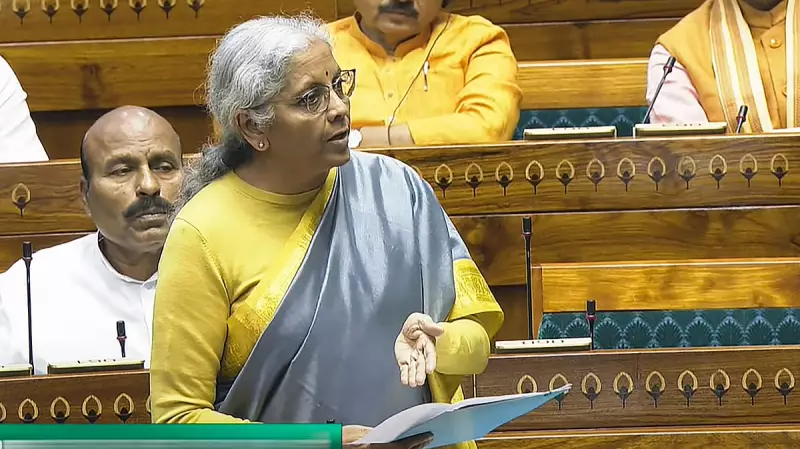
On 04 December 2025, Finance Minister Nirmala Sitharaman moved the Health and National Security Cess Bill, 2025, for discussion in the Lok Sabha. The central feature of this bill is the imposition of a new levy. Crucially, Sitharaman clarified that this cess will not be applied to essential commodities, ensuring it does not impact the common citizen's basic needs.
The proposed cess will be specifically imposed on the production capacity of pan masala manufacturing units. The Finance Minister explicitly categorized pan masala as a "demerit good," a term used in economics for products considered harmful to individuals and society. This classification forms the core justification for the new tax.

Revenue Sharing and Purpose
A key aspect of the proposal is the planned distribution of the collected funds. Sitharaman announced that the revenues generated from this cess will be shared with state governments. This move is likely designed to ensure broader political support and enable states to participate in the funded initiatives.
The cess is dual-purpose, as indicated by its name. The funds are intended to bolster both health security and national security projects across the country. This creates a direct link between taxing a demerit good and financing public welfare and safety measures.
Implications and Next Steps
The introduction of this bill marks the start of the parliamentary process. It will now undergo detailed discussion and scrutiny in the Lok Sabha, and potentially the Rajya Sabha, before it can be enacted into law. The proposal underscores the government's continued focus on using fiscal policy to address public health concerns, following a pattern of imposing higher taxes on tobacco and similar products.
For the pan masala industry, the cess based on production capacity could lead to increased operational costs, which may eventually affect market prices. The government's clear stance is that the revenues will serve a larger national interest, funding essential security and health programs while aiming to reduce the consumption of unhealthy goods.






