Nitin Nabin's Appointment as BJP President: A Generational Shift or Diminished Role?
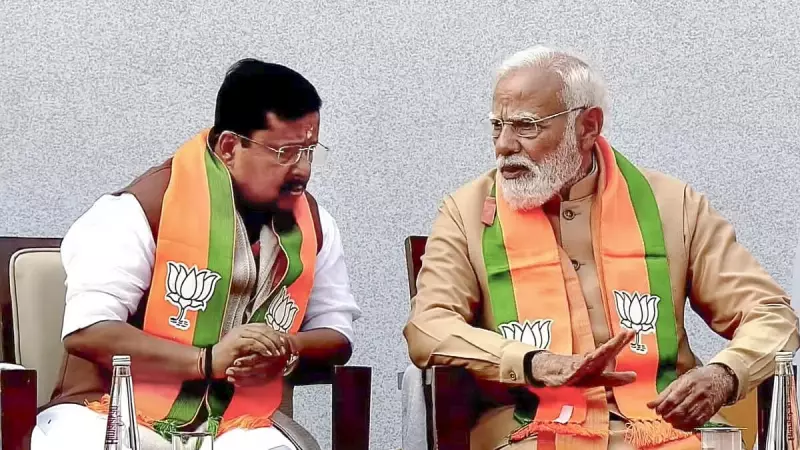
In a move that has captured the attention of political observers across India, Nitin Nabin's appointment as the president of the Bharatiya Janata Party (BJP) signals a notable generational transition within the country's dominant political force. This development, announced on January 26, 2026, represents a strategic shift in leadership, yet it simultaneously raises intriguing questions about the evolving dynamics of power and authority within the party structure.
The Significance of a Generational Transition
The elevation of Nitin Nabin to the presidency of the BJP is widely interpreted as a deliberate effort to infuse fresh energy and younger perspectives into the party's top echelons. This appointment underscores the BJP's commitment to nurturing a new generation of leaders who can connect with India's evolving demographic landscape. As a relatively younger figure compared to previous officeholders, Nabin's leadership is expected to bring innovative approaches to party organization, outreach, and electoral strategy.
This generational shift is not merely symbolic; it reflects the BJP's adaptive response to changing political realities and voter expectations. By placing a younger leader at the helm, the party aims to strengthen its appeal among youth voters and address contemporary issues with renewed vigor. The move also suggests a long-term vision for party continuity, ensuring that leadership transitions occur smoothly while maintaining ideological coherence.

The Paradox of a Diminished Presidency
Despite the positive connotations of a generational change, Nabin's appointment has sparked debates about whether the role of BJP president has been subtly diminished in recent years. Under the towering leadership of Prime Minister Narendra Modi, the center of gravity within the BJP has increasingly shifted towards the Prime Minister's Office (PMO) and the parliamentary wing. This centralization of authority has, in some respects, reduced the autonomous decision-making power traditionally associated with the party presidency.
Observers note that while Nabin will oversee organizational matters, electoral campaigns, and party discipline, the overarching strategic direction and major policy initiatives are likely to remain firmly under Modi's influence. This dynamic creates a paradox where the president's role is both elevated in terms of visibility and yet constrained in terms of substantive power. The appointment may thus be seen as balancing the need for a youthful face with the reality of a highly centralized leadership structure.
Implications for Indian Politics
The appointment of Nitin Nabin as BJP president carries significant implications for the broader landscape of Indian politics. Firstly, it reinforces the BJP's dominance by demonstrating its ability to manage leadership transitions without internal turmoil. Secondly, it sets the stage for potential future realignments within the party, as younger leaders like Nabin gain experience and influence.
Moreover, this development may prompt opposition parties to reconsider their own leadership strategies, potentially accelerating similar generational shifts across the political spectrum. For voters, Nabin's presidency could mean a more dynamic and responsive BJP, albeit one that remains firmly anchored to Modi's vision and policies.
As India navigates a complex political environment, the success of Nabin's tenure will depend on his ability to harmonize organizational responsibilities with the overarching leadership of Modi. His appointment is a testament to the BJP's evolving identity—a blend of youthful energy and established authority that continues to shape the nation's democratic trajectory.