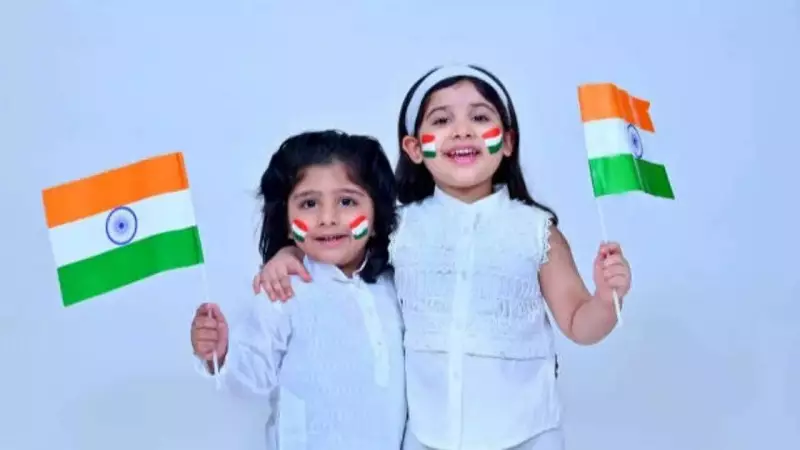
For countless children across India, Republic Day often appears as merely another holiday from school—a day filled with fluttering flags, sweet treats, and spectacular parades broadcast on television. However, beneath this surface-level celebration lies a profound opportunity for nurturing young minds, embedding lessons that resonate far beyond the holiday itself.
The Deeper Significance of Republic Day for Children
Republic Day serves as a crucial reminder of our nation's past, but its true power lies in helping children grasp the values that subtly influence their present and will shape their future. When approached with care and sensitivity, this day transforms into a powerful tool for fostering awareness, responsibility, and genuine pride in being part of a vibrant democratic nation.
A Child's First Introduction to Democracy
Republic Day introduces young minds to the foundational idea that a country is governed by laws created for and by its people. It provides a tangible understanding of how principles like fairness, equality, and justice are not abstract concepts but concrete promises enshrined in the Indian Constitution. Children begin to recognize that every citizen has a voice, initiating their journey toward understanding what it means to occupy a meaningful place in society. This early exposure cultivates respect for the rule of law and encourages thoughtful questioning, equipping each school-going child with the foundations of responsible citizenship.

Fostering Pride Without Blind Nationalism
Republic Day offers a healthy avenue for children to develop pride in their country without succumbing to blind glorification. The grand parade, narratives of national unity, and celebrations of cultural diversity teach them that India's strength lies in its rich differences. These experiences help young minds appreciate coexistence and mutual respect, fostering a balanced sense of pride that allows children to love their nation while remaining conscious of inclusivity, empathy, and shared responsibility.
Understanding Rights Alongside Responsibilities
Republic Day opens doors to meaningful conversations about the delicate balance between rights and duties. It imparts the lesson that every freedom comes with corresponding responsibilities—the right to speak paired with the duty to listen, and the right to learn accompanied by respect for teachers and peers. Such discussions help children comprehend how their individual actions contribute to the broader society. Over time, this builds disciplined behavior, ethical thinking, and an awareness that their choices have real consequences for those around them.
Bringing History to Life: Connecting Past and Present
When historical narratives are linked to contemporary life, they become instantly relatable for children. Republic Day stories about Constitution makers, freedom fighters, and ordinary citizens inspire young listeners by demonstrating how everyday people can alter the course of history. These tales instill a belief in children that even small acts of fairness and courage hold significance, teaching them not only to appreciate history but also to develop curiosity about the past and confidence in shaping the future.
Planting Seeds for Future Citizens
More than a single-day celebration, Republic Day quietly sows values that grow with children over time—encouraging honesty, equality, and respect for democratic processes. As families and schools reinforce these ideas annually, children absorb them effortlessly. The day serves as a reminder that citizenship involves not just belonging but thoughtfully contributing to the nation, ensuring the essence of Republic Day remains relevant long after the holiday concludes.