New AI Tool Aims to Revolutionize How Students Approach Exam Questions
In a significant development for the education sector, researchers have unveiled an advanced artificial intelligence tool specifically designed to help students better understand and interpret complex examination questions. This innovative technology promises to transform traditional study methods by providing personalized insights into question structures and requirements.
How the AI Question Analysis System Works
The system utilizes sophisticated natural language processing algorithms to break down examination questions into their fundamental components. When students input a question, the AI tool analyzes it to identify key elements such as:
- The main subject or topic being addressed
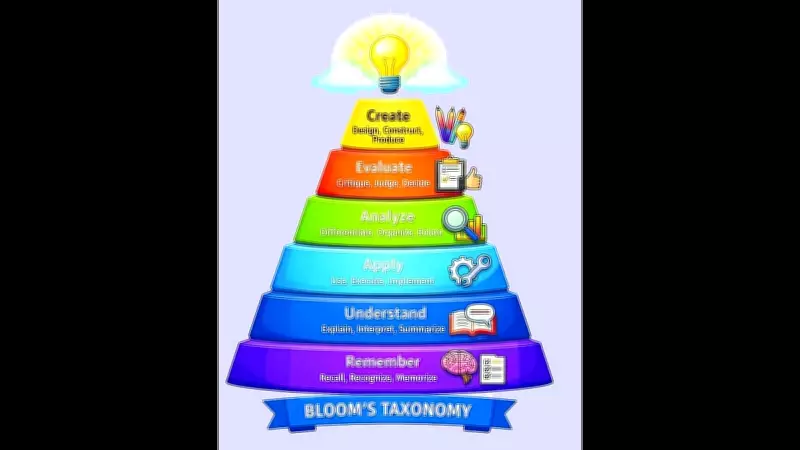
- Specific action verbs that indicate what is required (analyze, compare, evaluate, etc.)
- Hidden assumptions or contextual information
- Potential pitfalls or common misinterpretations
After processing the question, the tool generates a simplified breakdown that helps students grasp exactly what is being asked and how to structure their responses effectively.

Addressing a Critical Learning Challenge
Educational experts have long identified question comprehension as a major hurdle for many students across various academic levels. Research indicates that a significant percentage of examination errors stem not from lack of knowledge, but from misunderstanding what the question actually requires. This AI tool directly addresses this challenge by providing students with a systematic approach to question analysis.
The technology has shown particular promise in helping students navigate questions that contain multiple components, complex phrasing, or specialized terminology that might otherwise confuse them.
Potential Impact on Learning Outcomes
Early testing of the AI question analysis tool has demonstrated several potential benefits for student learning:
- Improved accuracy in responding to examination questions
- Enhanced critical thinking skills as students learn to deconstruct questions systematically
- Reduced test anxiety by providing a structured approach to unfamiliar questions
- Better time management during examinations through clearer understanding of requirements
Educators who have tested the tool report that it helps bridge the gap between what students know and their ability to demonstrate that knowledge effectively in examination settings.
Integration with Existing Educational Frameworks
The developers emphasize that this AI tool is designed to complement rather than replace traditional teaching methods. The technology works alongside classroom instruction to reinforce question analysis skills that teachers already emphasize. Many educational institutions are exploring how to integrate this tool into their existing learning management systems and examination preparation programs.
Some schools have begun pilot programs where students use the AI question analyzer during study sessions and practice examinations, with teachers reporting noticeable improvements in how students approach complex problems.
Future Developments and Applications
Looking ahead, researchers are working on expanding the tool's capabilities to cover a wider range of subjects and question types. Future versions may include:
- Support for mathematical and scientific notation
- Adaptive learning features that track individual student progress
- Integration with virtual learning environments
- Multilingual capabilities to serve diverse student populations
As artificial intelligence continues to transform educational technology, tools like this question analysis system represent a promising direction for supporting student learning in increasingly sophisticated ways.