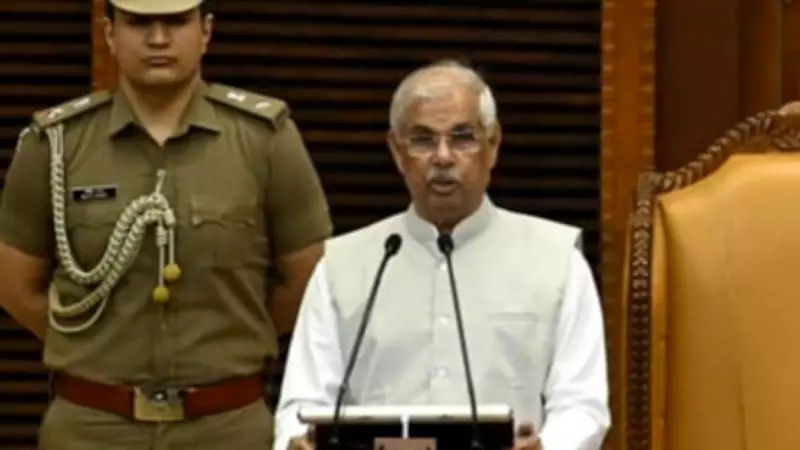
Tamil Nadu Governor Rajendra Arlekar on Sunday declared that the doors of Lok Bhavan, the official residence of the Governor, are always open to the public. He emphasized that the institution will serve as a bridge between citizens and Chief Minister Vijay, facilitating direct communication and grievance redressal.
Governor's Assurance to the Public
Speaking at an event in Chennai, Arlekar urged citizens to approach Lok Bhavan without hesitation if they have any expectations from him or the government. "If you have expectations from me or the government, come to Lok Bhavan. We will do it together," he assured, highlighting a collaborative approach to governance.
The Governor's statement comes amid ongoing efforts to strengthen the connect between the state administration and the people. He reiterated that his office is committed to acting as a facilitator, ensuring that public concerns reach the highest levels of decision-making.

Role of Lok Bhavan in Governance
Lok Bhavan has traditionally been a symbol of the Governor's presence in the state. Arlekar's remarks underscore a proactive stance, positioning the Raj Bhavan as an accessible platform for dialogue. He stressed that the Governor's office will not be a distant entity but an active participant in addressing public issues.
"The government is for the people, and every institution must reflect that," Arlekar said, adding that he has directed his staff to ensure prompt attention to all visitors. He also noted that the CM has been supportive of this initiative, which aims to create a seamless feedback loop between citizens and the administration.
Call for Collective Effort
The Governor urged community leaders, local bodies, and civil society organizations to encourage people to utilize this channel. "We are here to serve, not to rule. Let us work together to build a better Tamil Nadu," he concluded.
This development is seen as a step towards transparent governance, with the Governor's office playing a more interactive role in state affairs. Arlekar's assurance is expected to boost public confidence in the government's responsiveness.