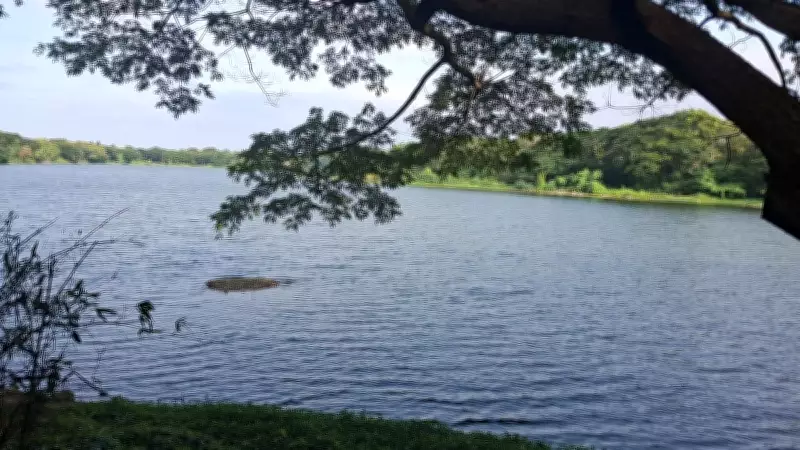
Experts on Mysuru's historic Purnaiah Canal have urged authorities to conserve the waterway for posterity, warning that frequent fish deaths in Kukkarahalli Lake are clear evidence of sewage water entering the lake. The canal, originally built for the prosperity of Mysuru, now faces severe pollution threats.
Historic Canal Under Threat
The Purnaiah Canal, constructed over two centuries ago during the reign of Maharaja Mummadi Krishnaraja Wodeyar, was designed to supply water to Kukkarahalli Lake, a vital source for irrigation and drinking water in the region. However, recent incidents of fish mortality have raised alarms among environmentalists and historians.
According to environmental activist M. R. Nanjundaswamy, the canal is now carrying untreated sewage from residential areas, leading to eutrophication and oxygen depletion in the lake. "The fish deaths are a symptom of a larger problem. We need to restore the canal's original purpose and prevent pollution," he said.

Evidence of Pollution
Frequent fish deaths in Kukkarahalli Lake have been documented over the past year, with the most recent incident occurring in June 2026. Tests conducted by the Karnataka State Pollution Control Board revealed high levels of biochemical oxygen demand and ammonia in the lake water, indicating sewage contamination. The board reported that over 200 fish were found dead in a single week.
Experts point to the Purnaiah Canal as the primary conduit for this pollution. The canal, which runs through densely populated areas, receives domestic waste and industrial effluents before emptying into the lake. "The canal was never designed to handle sewage. It is a heritage structure that needs protection," said historian S. K. Aruni.
Call for Conservation
Conservationists have proposed a multi-pronged approach to save the canal and the lake. This includes diverting sewage to treatment plants, desilting the canal, and creating buffer zones to prevent encroachment. The Mysuru City Corporation has allocated funds for a feasibility study, but activists demand immediate action.
"We cannot afford to lose this heritage. The canal is a testament to the engineering skills of our ancestors," said Nanjundaswamy. The state government has been urged to declare the canal a protected heritage structure.
Impact on Ecosystem
The pollution has also affected the lake's biodiversity, with a decline in aquatic plants and bird species. Kukkarahalli Lake is a designated bird sanctuary, hosting migratory birds during winter. The deteriorating water quality threatens this ecosystem.
Local resident and birdwatcher Ravi Kumar noted, "We used to see hundreds of birds here. Now, the numbers have dropped significantly. The lake is dying."
Way Forward
Experts emphasize that conserving the Purnaiah Canal is not just about preserving history but also ensuring water security for Mysuru. The canal once irrigated thousands of acres of farmland and recharged groundwater. Restoring it could help mitigate water scarcity in the region.
"The canal was built for prosperity. We must conserve it for posterity," Aruni concluded. The district administration has promised to convene a meeting of stakeholders to discuss restoration plans.