

Tamil Nadu has introduced its maiden toy manufacturing policy to capitalize on the global toy market, valued at $180 billion in 2024 and projected to reach $265 billion by 2028, a growth of 47 percent. The Tamil Nadu Toy Manufacturing Policy 2025, unveiled in December 2025, aims to position the state as a global hub for design, development, and manufacturing of new-age toys while promoting its traditional toy heritage.
Key Objectives of the Policy
The policy seeks to attract at least 10 anchor players, establish a dedicated toy manufacturing park, and encourage leading design entities to set up creative studios. It also focuses on making traditional toy clusters globally competitive. The state's proven manufacturing capabilities in automobiles, electronics, engineering, and textiles provide a strong foundation for the toy industry.
Leveraging Manufacturing Ecosystem
The policy emphasizes harnessing Tamil Nadu's robust manufacturing ecosystem to drive innovation in toy design, development, and production. It supports toy manufacturing for experiential learning and toys for children with special needs. Financial assistance will be provided to acquire Geographical Indication (GI) tags for traditional toys. Proximity to textile hubs offers opportunities for collaboration in textile-based toys, making the state a hub for world-class toys appealing to domestic and global markets.

Sunrise Sector with Special Incentives
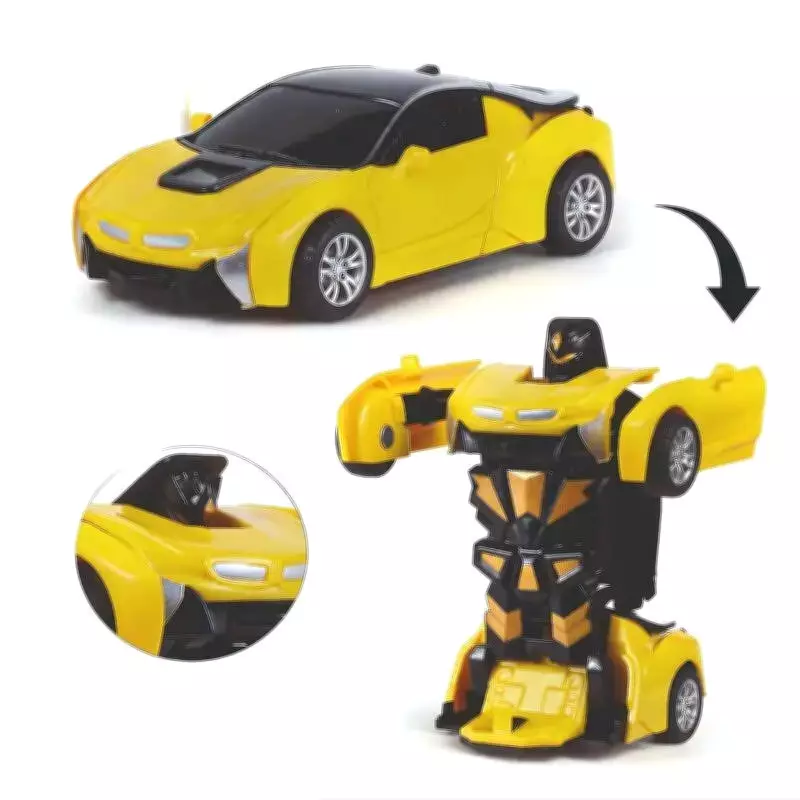
The policy positions toy manufacturing as a sunrise sector with special incentives and packages. Major global toy segments include activity and ride-on, educational, infant and preschool, games and puzzles, plush, dolls, and electronic and remote-controlled toys. Tamil Nadu has potential to attract local and global makers for high-end manufacturing, including electromechanical toys.
Historical Heritage and Modern Growth
The state has a rich toy-making heritage dating back centuries. Funskool India, the country's leading toy manufacturer promoted by MRF Group, operates a facility in Ranipet. With over 25 percent of the population under 14, the domestic market is substantial. Imports declined by 52 percent between FY15 and FY23, while exports rose by 239 percent, thanks to import curbs. Basic customs duty on toys increased from 20 percent to 60 percent in 2020 and then to 70 percent in 2023. Quality control orders and BIS standards have curbed imports, especially from China, boosting domestic manufacturing.
Industry Reactions
An official from the industries department noted that the policy addresses incentives for toy manufacturing, which were previously unavailable. Restrictions on Chinese imports open opportunities for the sector. K A Shabir, CEO of Funskool, called the policy a great initiative, aligning with the company's goals of investment, employment generation, and export-led manufacturing. Vishal Nahar, MD of Veva Toys Global, praised the creation of dedicated toy clusters with plug-and-play infrastructure and simplified approvals. He emphasized focused skill development and support for innovation and exports. Veva Toys, which manufactures brands like Popsugar and Frendo, produced about 25 lakh toys in FY26 and employs 1,100 people, 95 percent of whom are women. The company plans to export to Australia, the UAE, and South America.
Saravana Bhava, COO of Rig Wheels Toys, which makes Vande Bharat Express toy trains in Madurai, said the policy will boost R&D in the toy sector, similar to the state's automobile and electronics sectors. Chozha Naachiar Rajasekar, president of The Tamil Chamber of Commerce, expects the policy to reduce future imports from China and enhance exports, focusing on innovation, safety, quality, and eco-friendly toys.
Raw Materials and Supply Chain
Plastics and packaging form a significant share of toy production costs. Key raw materials include ABS (Acrylonitrile Butadiene Styrene), PP (Polypropylene), PVC, and polyethylene. The policy aims to strengthen supply chains within India.






