

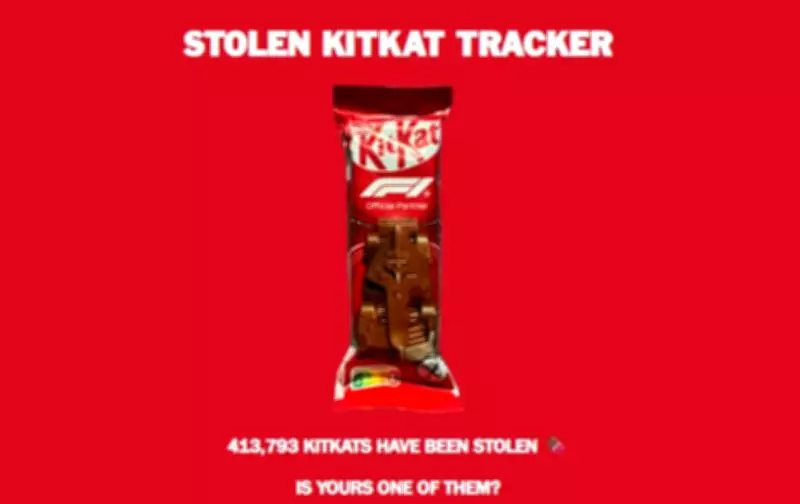
Massive 12-Tonne KitKat Chocolate Heist Triggers Nationwide Alert
In a shocking incident that has captured public attention, a daring heist resulted in the theft of approximately 12 tonnes of KitKat chocolate bars. This large-scale operation, which targeted a major distribution center, has raised significant concerns about food security and consumer safety across the country. Authorities are actively investigating the crime, which is estimated to involve millions of individual chocolate bars, potentially affecting retail supplies and unsuspecting buyers.
Details of the Elaborate Chocolate Theft Operation
The heist was executed with precision, targeting a key logistics hub where the KitKat bars were stored before being dispatched to various markets. Reports indicate that the thieves exploited security vulnerabilities during off-hours, making away with the massive consignment without immediate detection. The stolen chocolate, primarily consisting of popular KitKat varieties, represents a substantial commercial loss and poses risks if it enters the supply chain through unauthorized channels. Law enforcement agencies are examining surveillance footage and forensic evidence to identify the perpetrators and recover the stolen goods.
How Consumers Can Check If Their KitKat Bars Are Part of the Stolen Batch
In response to the heist, authorities and the manufacturer have issued guidelines to help consumers determine if their purchased KitKat bars might be from the stolen lot. Here are the key steps to follow:

- Examine the Packaging: Look for any signs of tampering, such as broken seals, unusual wrapping, or mismatched batch codes. Authentic KitKat packaging should be intact and consistent with standard designs.
- Check the Batch Number and Expiry Date: Compare these details with official recalls or alerts issued by the company or regulatory bodies. Stolen items may have batch numbers that do not align with legitimate distribution records.
- Verify the Source: Purchase chocolate only from authorized retailers or trusted outlets. Avoid buying from unofficial sellers, street vendors, or online platforms offering suspiciously low prices, as these could be outlets for stolen goods.
- Report Suspicious Products: If you encounter KitKat bars that seem dubious, contact local authorities or the manufacturer's customer service hotline immediately. Providing details like the batch number and place of purchase can aid in the investigation.
Broader Implications for Food Safety and Crime Prevention
This incident highlights vulnerabilities in the food supply chain and underscores the need for enhanced security measures at distribution centers. Food theft not only causes economic damage but also risks public health if stolen products are mishandled or stored improperly. Experts urge companies to invest in better surveillance, tracking technologies, and collaboration with law enforcement to prevent similar crimes in the future. Consumers are advised to stay vigilant and prioritize safety when making food purchases, especially in the wake of such large-scale thefts.
The investigation into the 12-tonne KitKat heist is ongoing, with authorities working to apprehend those responsible and ensure the stolen chocolate does not reach consumers. Updates will be provided as more information becomes available, and the public is encouraged to follow official channels for the latest developments.






