

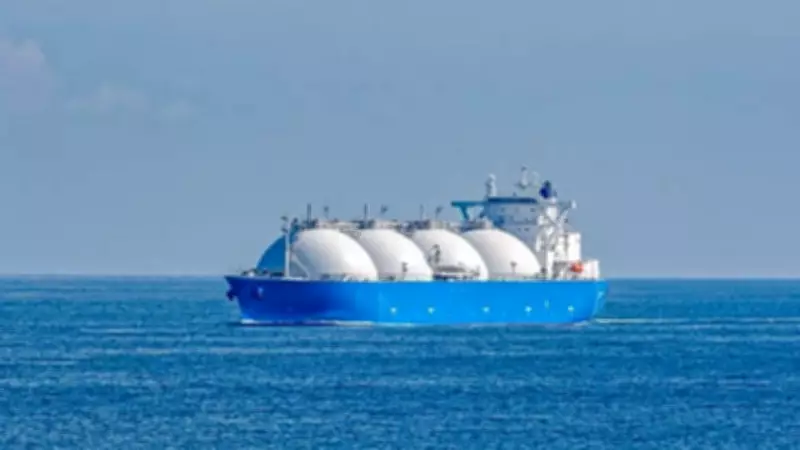
Major LPG Tanker Docks at Mangalore Port with 17,600 Metric Tons from Gujarat
A significant shipment of liquefied petroleum gas (LPG) has reached the Mangalore Port in Karnataka, marking a crucial delivery for the region's energy needs. The tanker, loaded with 17,600 metric tons of LPG, embarked from Gujarat and successfully docked at the port, ensuring a robust supply chain for domestic and industrial use.
Details of the LPG Shipment and Its Journey
The vessel, a large-capacity tanker specifically designed for transporting LPG, undertook a maritime voyage from Gujarat to Mangalore. This route is strategically important for distributing LPG across southern India, particularly in Karnataka and adjacent states. The arrival of 17,600 metric tons underscores the port's capacity to handle substantial energy cargoes, supporting local demand and reducing dependency on other sources.
Impact on Regional Supply and Energy Security

This delivery is expected to bolster the LPG supply in Karnataka, where demand has been steadily increasing due to population growth and industrial activities. By securing such a large quantity, authorities aim to prevent shortages and maintain stable prices for consumers. The shipment also highlights the role of Mangalore Port as a key logistics hub for energy imports in the region.
Broader Implications for India's Energy Infrastructure
The movement of LPG from Gujarat to Mangalore reflects ongoing efforts to enhance India's energy distribution network. As the country continues to promote cleaner fuels like LPG for cooking and transportation, efficient port operations become vital. This shipment contributes to national energy security by diversifying supply routes and ensuring timely deliveries to meet consumption patterns.
Future Prospects and Sustainability Considerations
Looking ahead, similar shipments are likely to continue as India focuses on expanding its LPG infrastructure. The success of this delivery may encourage further investments in port facilities and tanker fleets, supporting sustainable energy goals. Stakeholders are monitoring such developments to optimize logistics and minimize environmental impacts during transport.






