Survey Exposes Widespread Counterfeit Product Issue in India
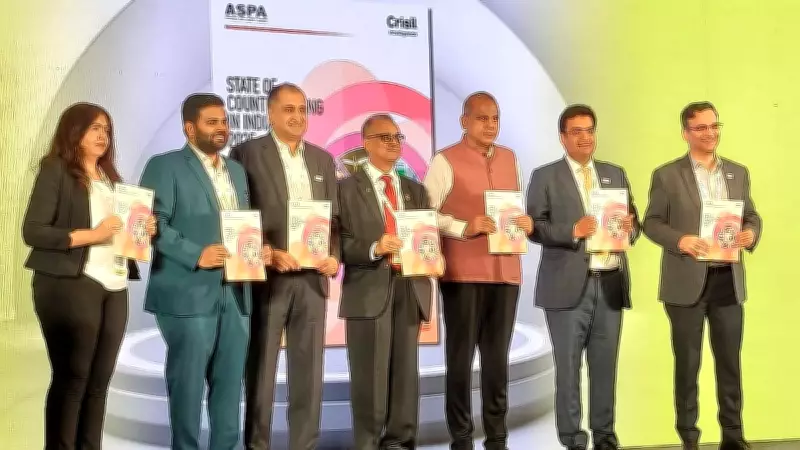
A recent comprehensive survey has uncovered alarming data about the prevalence of counterfeit goods in the Indian market. The study reveals that a staggering 35% of Indian consumers encountered fake or imitation products within the last twelve months alone. This finding highlights a significant and growing challenge for both consumers and legitimate businesses across the nation.
Urban Consumers Show High Lifetime Exposure to Fakes
Delving deeper into the demographic breakdown, the report presents an even more concerning statistic regarding urban consumers. An overwhelming nine out of ten urban Indian consumers, which translates to 90%, admitted to having purchased a counterfeit product at least once during their lifetime. This high percentage indicates that encountering fake goods is not an isolated incident but a common experience for the vast majority of city dwellers.
The survey underscores several critical implications:

- Consumer safety risks from substandard materials and unregulated manufacturing processes.
- Economic losses for genuine brands and manufacturers due to unfair competition.
- Potential health hazards, especially from counterfeit pharmaceuticals, cosmetics, and food items.
- Erosion of consumer trust in marketplaces and retail channels.
Broader Impact on Market Integrity and Economy
The widespread availability of counterfeit products poses a serious threat to market integrity and the overall economy. Fake goods often bypass quality controls and safety standards, putting unsuspecting consumers at risk. Moreover, the sale of these items deprives the government of legitimate tax revenue and undermines intellectual property rights, stifling innovation and fair trade practices.
Industry experts suggest that the rise of online shopping platforms and informal retail networks has exacerbated the problem, making it easier for counterfeiters to reach a broad audience. Consumers are frequently misled by deceptive packaging, misleading advertisements, and significantly lower prices that make fake products appear attractive despite their inherent dangers.
Key recommendations from the report include:
- Strengthening regulatory frameworks and enforcement mechanisms to crack down on counterfeit operations.
- Enhancing consumer awareness campaigns to educate the public on identifying fake products.
- Encouraging collaboration between brands, e-commerce platforms, and law enforcement agencies.
- Implementing stricter penalties for those involved in the production and distribution of counterfeit goods.
As the survey data from March 2026 indicates, addressing the counterfeit goods issue requires a multi-faceted approach involving government action, corporate responsibility, and informed consumer choices to safeguard public health and economic stability.