Electric Vehicles Emerge as Primary Choice in Urban India
Electric vehicles are rapidly gaining wider acceptance across India, with a significant shift from being secondary options to primary cars for daily use. This transition is fueled by improved model availability, greater consumer awareness, and notably lower operating costs compared to traditional petrol and diesel vehicles. Urban drivers, in particular, benefit from reduced fuel expenses over time, making EVs a practical and economical choice for city commuting.
Charging Infrastructure and Convenience Factors
While public charging networks are still developing and remain limited in many regions, access to home or workplace charging solutions significantly enhances overall convenience. This accessibility supports the growing adoption of electric vehicles, especially in metropolitan areas where daily travel distances are manageable within a single charge.
Top Affordable Electric Cars Under Rs 15 Lakh in India
Here is a detailed look at some of the most affordable electric cars available in the Indian market, all priced under Rs 15 lakh (ex-showroom):

MG Comet EV
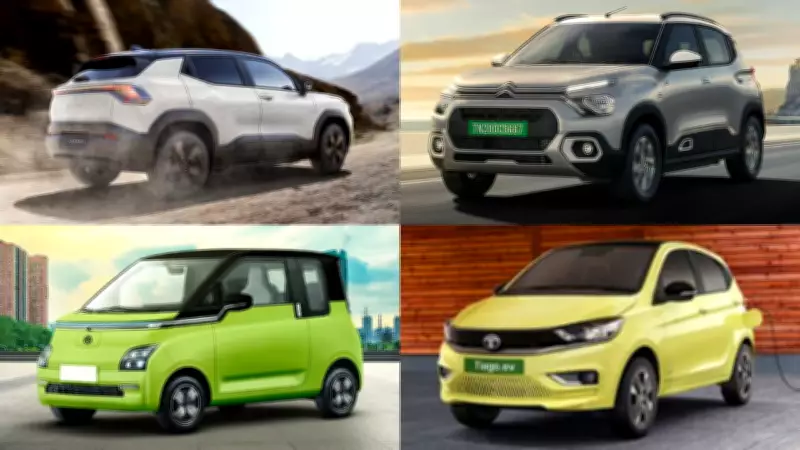
Starting at Rs 4.99 lakh with Battery-as-a-Service (BaaS) at Rs 2.5 per kilometre, or Rs 7.59 lakh with battery included, the MG Comet EV features a 17.3kWh battery pack and a single electric motor delivering 42hp and 110Nm of torque. It offers an ARAI-certified range of 230km and includes dual 10.25-inch screens, wireless connectivity, over 55 connected car features, and comprehensive safety systems like ABS, EBD, and dual front airbags.
Tata Tiago EV
Priced from Rs 7.99 lakh, the Tata Tiago EV comes with two battery options: a 19.2kWh pack providing 61hp and a 250km range, and a 24kWh pack offering 74hp and a 315km range. Key features include a 10.25-inch touchscreen, LED headlights, and a digital instrument cluster, making it a versatile choice for urban drivers.
Tata Punch EV Facelift
Recently launched, the Tata Punch EV facelift starts at Rs 6.49 lakh with BaaS (battery EMI from Rs 2.6/km) and Rs 9.69 lakh without BaaS. It offers 30 kWh and 40 kWh battery packs, with the larger variant providing an ARAI-certified range of 468km and support for 65kW DC fast charging, enabling a 20-80% charge in 26 minutes.
Maruti Suzuki e-Vitara
Priced from Rs 10.99 lakh with BaaS (battery EMI at Rs 3.99 per km) and Rs 15.99 lakh with battery, the e-Vitara features 49kWh and 61kWh LFP battery options. It delivers ranges of 440km and 543km respectively, competing with models like the MG ZS EV and Hyundai Creta EV in the compact SUV segment.
MG Windsor EV
Starting at Rs 9.99 lakh with BaaS (battery EMI at Rs 3.9 per km) and Rs 13.99 lakh with battery, the MG Windsor EV offers 38 kWh and 52.9 kWh battery packs with claimed ranges of 332km and 449km. It includes a 136 hp motor and supports both AC and DC fast charging options.
Tata Tigor EV
Priced at Rs 12.5 lakh, the Tata Tigor EV is equipped with a 26kWh battery producing 75 bhp and 170Nm of torque, offering a claimed range of 315km. Features include a 7.0-inch touchscreen, connected car tech, and six airbags for enhanced safety.
Tata Nexon EV
Also starting at Rs 12.5 lakh, the Tata Nexon EV comes with 30 kWh and 45 kWh battery packs, delivering 145 hp and ranges of 325km and 489km. It boasts advanced features like a 12.3-inch touchscreen, ventilated seats, and Level 2 ADAS.
Citroen eC3
Priced from Rs 12.90 lakh, the Citroen eC3 features a 29.2 kWh battery with a 246km range and a 57 hp motor. It includes a 10.2-inch infotainment system and connected car technology, catering to budget-conscious buyers.
Conclusion: The Future of Urban Mobility
The expanding lineup of affordable electric cars under Rs 15 lakh underscores India's accelerating shift towards sustainable transportation. With lower running costs, improving infrastructure, and diverse model options, EVs are poised to redefine urban mobility, offering both economic and environmental benefits for Indian consumers.