Agra's Petha Industry Grinds to a Halt Amid LPG Crisis
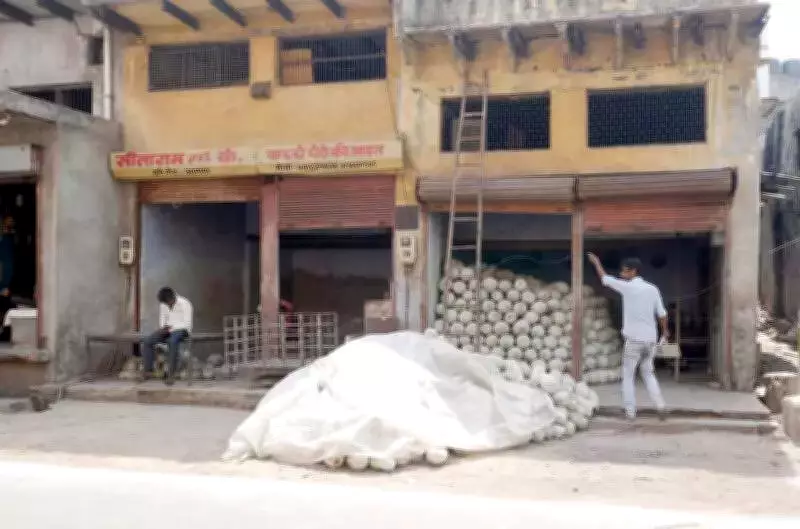
The vibrant petha industry in Agra's historic Noori Gate area has been brought to a near standstill, with production severely impacted by a critical shortage of commercial LPG cylinders. This crisis, unfolding over the past 12 days, is linked to escalating tensions in West Asia, which have disrupted supply chains and left manufacturers scrambling for fuel.
Economic Impact and Industry Scale
Petha, a translucent, sugar-coated sweet deeply associated with Agra, is not just a culinary delight but a cornerstone of the local economy. The industry is valued at approximately Rs 500 crore and provides employment to nearly 5,000 people, including artisans, transporters, and farmers who cultivate the raw materials. With about 70 petha units concentrated in Noori Gate, the current situation has forced around 30 of these units to shut down in the last week alone due to the unavailability of LPG.
Supply Chain Disruptions and Financial Losses
The manufacturing halt is rippling through the entire trade ecosystem. Transporters, raw petha growers, and other supply chain stakeholders are bracing for significant impacts. Daily production in the Noori Gate area alone is estimated at Rs 15–20 lakh, but this has plummeted by approximately 50%, leading to substantial financial losses. Many units are now relying on old stock to manage minimal operations, but this is unsustainable as demand peaks.

Administrative Efforts and PNG Delays
Industry leaders, including Agra Vyapar Mandal president TN Agarwal and Sweets and Petha Association president Rajesh Agarwal, have urgently raised the gas shortage issue with local authorities. In response, a plan was devised to supply piped natural gas (PNG) to petha units, with commitments to provide new connections. However, despite a Green Gas pipeline already laid in the area, the PNG supply has not yet commenced, leaving manufacturers in limbo.
Rajesh Agarwal expressed his frustration, stating, "My petha unit has been shut due to the unavailability of LPG. Officials were instructed to start PNG supply, but it hasn't happened. With Navratri approaching, demand will surge as people break their fast with petha, and I'm uncertain how we'll fulfil nationwide orders."
Navratri Demand and Producer Concerns
The timing of this crisis is particularly dire, with Navratri festivities set to begin next week. During this period, petha is widely distributed at bhandaras (community feasts), leading to a spike in demand. Nitesh Sharma, another petha unit owner, highlighted the urgency, saying, "Our gas cylinders are empty, and PNG connections haven't been provided despite applications dating back to 2018. The pipeline is there, but we're still waiting."
Official Response and Future Outlook
District Supply Officer (DSO) Anand Kumar acknowledged the situation, noting that PNG supply is part of the ongoing plan but new connections are currently on hold. He assured that efforts are underway to provide PNG to petha manufacturers in the coming days, though no specific timeline was given.
Historical Significance of Petha
Long before becoming synonymous with Agra, petha is believed to have originated in Mughal kitchens. Legend has it that this energy-rich confection was distributed to labourers working on the Taj Mahal during Shah Jahan's reign. Over centuries, it has evolved into a culinary icon of the city, now available in about 25 variants, including paan, chocolate, kesar, and angoori flavours.
As the industry navigates this fuel crisis, the broader implications for Agra's cultural heritage and economic stability remain a pressing concern, with stakeholders hoping for swift administrative action to revive production.