Ahmedabad Restaurants Face Operational Crisis Amid Gas Supply Cuts
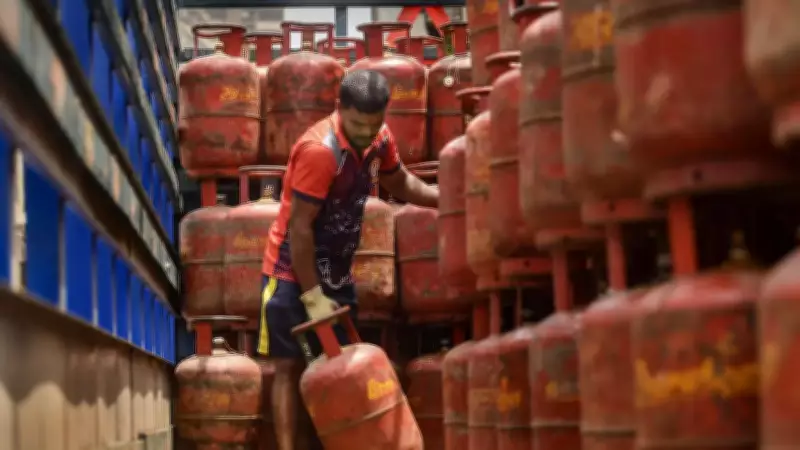
Restaurants across Ahmedabad are in a state of emergency as they scramble to overhaul their kitchen operations. This urgent response comes after the Gujarat government imposed a drastic 50% reduction in natural gas supply to industries. The ongoing conflict in West Asia has triggered this move, creating significant uncertainty over the availability of commercial gas cylinders, which are the lifeblood for thousands of food outlets in the city.
Immediate Shift to Induction Cooktops
With supplies tightening rapidly, numerous restaurants have begun exploring alternative cooking methods. Induction cooktops have emerged as the primary substitute to maintain basic cooking operations. However, this transition is not without its challenges. Restaurateurs report that the shift may significantly slow down service and force them to drastically trim their menu options, especially during peak dining hours when efficiency is paramount.
Widespread Impact on the Restaurant Industry
Dilip Thakkar, co-chapter head of the National Restaurant Association of India (NRAI), provided alarming statistics. "Ahmedabad is home to more than 10,000 food outlets, and approximately 3,000 of these establishments rely heavily on commercial gas cylinders," he explained. "These restaurants will feel the direct and severe impact of the unavailability of commercial gas cylinders and will have no choice but to find viable alternatives." The NRAI is actively collecting information from its members and encouraging cooperation among restaurateurs to navigate this crisis collectively.

Limited Reserves and Supply Chain Breakdown
Restaurant owners reveal that most kitchens maintain only limited gas reserves, which could become a critical challenge if deliveries slow further. Rushabh Purohit, founder of Purohit Thaali, highlighted the precarious situation for smaller establishments. "Commercial operations are currently shut down. Today we can survive, but the future is uncertain," he stated. "Most restaurants have LPG, and small-scale outlets use a combination of LPG and induction. I am actively seeking induction solutions, but figuring out efficient operations will require considerable time." Purohit added that his attempts to contact gas vendors have been largely unsuccessful, with three not answering and the remaining two stating they are awaiting further instructions.
Operational Adjustments and Rising Costs
Another prominent restaurateur, Himanshu Desai, confirmed that many outlets have gas supplies sufficient only for the next one or two days. "We have already started using one or two induction units for items like tea and omelettes," he said. "However, bulk cooking on induction requires entirely different vessels and equipment, which means restaurants may have to limit their menu items significantly."
Industry representatives note that restaurants with piped natural gas connections may have a slight operational cushion, though they too are facing escalating costs. Sheel Dhanani, a member of the food and dairy committee at the Gujarat Chamber of Commerce and Industry (GCCI), reported that commercial cylinder prices have already surged to Rs 3,000-4,000 due to rampant black marketing.
Financial Strain and Customer Impact
"Restaurants with gas pipelines will also see substantially higher bills," Dhanani warned. "While induction cooking is being adopted, it takes longer to heat, which can delay service. Some restaurants may have to reduce menu items, and overall service could slow down noticeably." He further emphasized that passing the full cost increase to customers immediately may not be feasible, putting additional pressure on profit margins if the disruption continues indefinitely.
The restaurant industry in Ahmedabad is now bracing for a prolonged period of adjustment, with innovation and resilience being tested as they adapt to this unprecedented supply chain challenge.