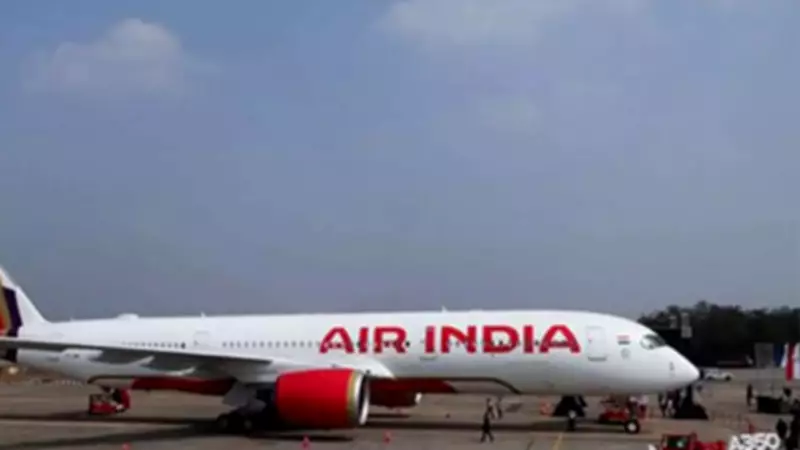
Air India's Costly Mistake: Wrong Aircraft Leads to 9-Hour Flight Return
In a major operational blunder, an Air India flight bound for Vancouver had to turn back to Delhi after nearly nine hours of flying on Thursday, March 19. The aircraft, which was not even routed through the Gulf war zone but via the east, was forced to abort its journey due to a clearance issue related to the plane type.
Clearance Confusion: Boeing 777 ER vs. LR
The root cause of this expensive error lies in the specific aircraft model used for the flight. Air India has approval from Canadian authorities to operate its Boeing 777-300 extended range (ER) fleet to Canada, but not the Boeing 777-200 long range (LR) version. However, on Thursday, the airline mistakenly deployed a B777-200 LR for flight AI 185 from Delhi to Vancouver, carrying a full load of passengers.
This clearance lapse was only realized when the aircraft had already flown for over four hours and entered Chinese airspace near Kunming. At that point, the airline made the decision to call the plane back to Delhi to avoid potential legal and safety issues upon arrival in Canada.

Financial and Operational Impact
The return flight resulted in significant financial losses for the already struggling airline. A Boeing 777 typically burns about 8-9 tonnes of fuel per hour, depending on conditions such as wind flow. With oil prices soaring and the rupee hitting new lows, this mistake added unnecessary expenses to Air India's balance sheet.
According to flight tracking data, the aircraft took off from Delhi at 11:34 am and landed back at 7:19 pm on Thursday, after a futile journey that wasted fuel, time, and resources.
Airline Response and Passenger Handling
An Air India spokesperson addressed the incident, stating, "Air India flight AI185, operating from Delhi to Vancouver on March 19, returned to Delhi due to an operational issue and in line with established standard operating procedures. The aircraft landed safely, and all passengers and crew had disembarked."
The spokesperson added, "We sincerely regret the inconvenience caused to our guests by this unforeseen situation. Our ground teams in Delhi had provided all necessary assistance, including offering hotel accommodation, while every effort was made to fly the passengers to their destination at the earliest. The flight departed this morning for Vancouver with the passengers. At Air India, the safety and well-being of our passengers and crew remain our highest priority."
Industry Protocols and Human Error
This incident highlights the complex protocols governing international aviation. Different countries have varying rules for foreign airlines:
- Some grant approvals on an airline-wide basis.
- Others do so fleet-wise.
- Certain nations provide specific clearances for individual aircraft tail numbers.
In Air India's case, the Canadian approval was specifically for the B777 ER version, not the LR. The airline has taken serious note of this error and is contemplating action against those responsible. Sources indicated, "We learn from our mistakes and the same shall never be repeated. The moment this lapse was realised, the aircraft was called back to Delhi."
Aviation Community Reaction
This event has surprised seasoned aviation professionals. While pilots and passengers flying west over the Arabian Sea since February 28 have been mentally prepared for possible returns due to geopolitical tensions, a return triggered by a human error on an eastward route is highly unusual. It underscores the critical importance of meticulous operational checks in the aviation industry.