

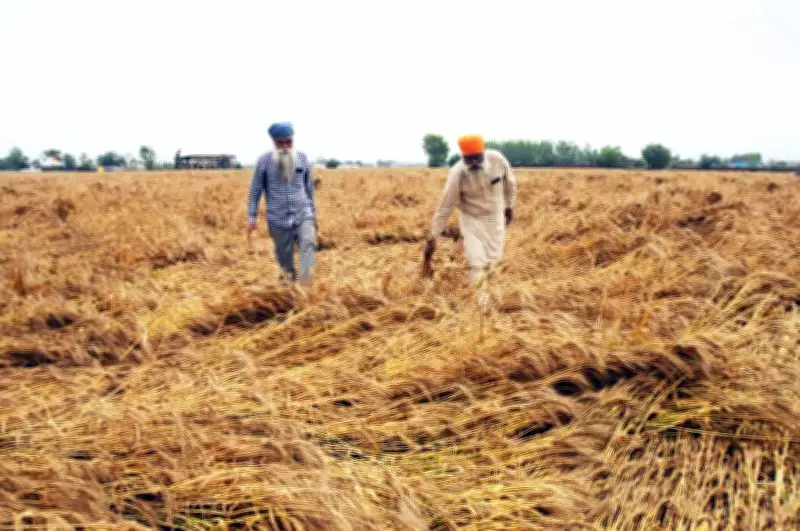
Amritsar Farmers Call for Leniency in Wheat Procurement After Rain Havoc
Farmers in the Amritsar district of Punjab are raising their voices in a unified demand for the relaxation of wheat procurement norms, following significant crop damage caused by recent heavy rainfall. The adverse weather conditions have severely impacted the quality and yield of wheat, just as the harvest season approaches, prompting urgent appeals to government authorities for intervention.
Impact of Rainfall on Wheat Crops
The unseasonal and intense rains in Amritsar have led to widespread damage across agricultural fields, with farmers reporting issues such as waterlogging, grain discoloration, and reduced germination rates. These factors are expected to result in a substantial decline in both the quantity and marketability of the wheat harvest. Many farmers fear that strict procurement standards, which typically mandate specific moisture levels and quality parameters, could lead to rejections or lower prices for their produce, exacerbating financial losses.
Farmers' Demands and Government Response
In response to the crisis, local farmer unions and agricultural associations in Amritsar have formally requested that the Punjab government and central agencies, such as the Food Corporation of India (FCI), ease procurement norms. Key demands include:

- Relaxation of moisture content limits to accommodate damp grains.
- Adjustments in quality grading to account for discoloration and minor defects.
- Expedited procurement processes to prevent further spoilage.
- Financial compensation or support for affected farmers to mitigate losses.
Officials have acknowledged the situation, with some indicating that assessments are underway to evaluate the extent of damage and consider possible adjustments to procurement policies. However, no formal announcements have been made yet, leaving farmers in a state of uncertainty as the harvest deadline nears.
Broader Implications for Punjab Agriculture
This incident highlights the ongoing challenges faced by Punjab's agricultural sector, which is a critical contributor to India's food security. Wheat is a staple crop in the region, and disruptions in procurement can have ripple effects on supply chains and national food reserves. The demand for eased norms underscores the need for flexible agricultural policies that can adapt to climate-related adversities, such as unpredictable weather patterns, which are becoming more frequent due to climate change.
Farmers in Amritsar emphasize that timely government action is essential to prevent economic distress and ensure fair compensation for their hard work. As the situation develops, stakeholders are closely monitoring responses from authorities, hoping for measures that balance quality standards with the realities of weather-impacted farming.






