ACB Widens Probe After Busting Rs 33 Lakh Bribery Deal in Jhunjhunu Road Project
In a significant development, the Anti-Corruption Bureau (ACB) has expanded its investigation following the bust of a Rs 33 lakh bribery deal connected to a road alignment in Jhunjhunu. The probe now places several senior Public Works Department (PWD) officials and engineers under intense scrutiny, as the bureau delves into a deeper graft racket behind the manipulation of land acquisition processes.
Arrests and Key Figures in the Case
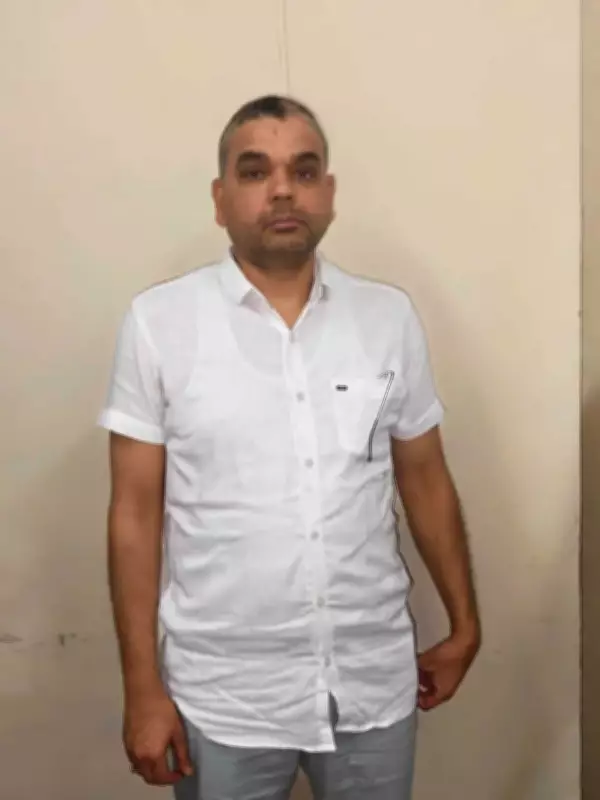
The ACB identified the arrested individuals as executive engineer Rakesh Kumar, who was posted in Jhunjhunu, and Yakub Ali, a private individual apprehended from Chomu in Jaipur on Friday night. Both were detained by an ACB team led by additional SP Sandeep Sarswat, operating under the supervision of DG Govind Gupta. This swift action underscores the bureau's commitment to tackling corruption at high levels.
Details of the Bribery Scheme
Investigators revealed that the bribe was demanded from a complainant with the promise of altering the alignment of a proposed bypass road. This change would have ensured the complainant's land was excluded from acquisition, highlighting how bureaucratic procedures were exploited for personal gain. The project itself originates from the 2024 state budget, which announced bypass roads in eight districts, including Jhunjhunu, to link a national highway with a state highway.

Sources indicated that the complainant's land did not appear in the first three PWD surveys conducted for acquisition. However, when Yakub Ali allegedly recognized the complainant's capacity to pay a substantial bribe, he is suspected of colluding with Kumar and other officials to include the land in the acquisition list. This turned a standard administrative process into a bargaining chip, exposing systemic vulnerabilities.
Irregularities in Social Impact Assessment
The probe has also flagged serious irregularities in the social impact assessment process, which is mandatory before such infrastructure projects. Officials stated that the PWD had engaged an agency for this exercise, with Ali acting as its representative. Key procedures, including proper public grievance hearings, were allegedly bypassed, raising concerns about transparency and accountability in public works.
An official recounted, "When the complainant approached the engineer for relief, he was told he could run from pillar to post but would eventually have to return." Kumar allegedly shared Ali's contact and instructed the complainant to communicate only via WhatsApp, suggesting a deliberate effort to conceal illicit activities.
Expanding Investigation and Evidence Seizure
Investigators believe that the arrested duo were unlikely to have operated in isolation. Early findings have not ruled out the possibility of involvement by other officials, prompting the ACB to examine who else may have been part of the scheme. To support this expanded probe, sources confirmed that two mobile phones each were seized from the accused, along with Ali's laptop, which could contain crucial digital evidence.
This case highlights the ongoing challenges in combating corruption within public infrastructure projects, emphasizing the need for stricter oversight and ethical practices to prevent such manipulations in the future.