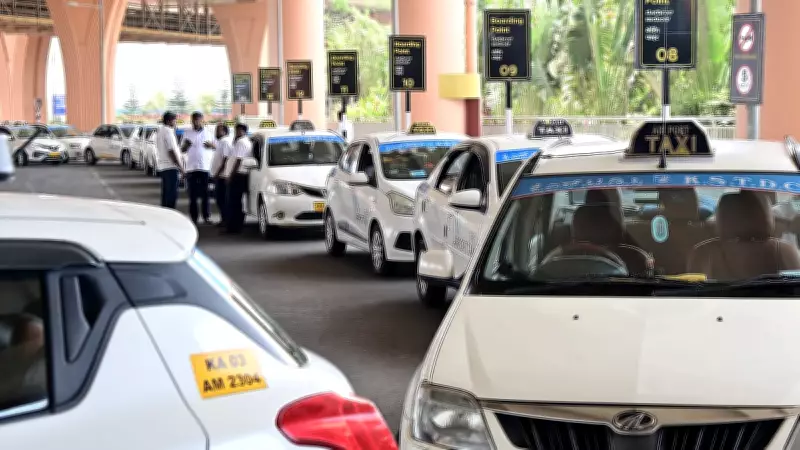
Bengaluru Airport Taxi Drivers Grapple with Severe Business Decline
Taxi drivers operating at Kempegowda International Airport (KIA) in Bengaluru are facing an unprecedented economic crisis as their business has sharply declined in recent times. This situation has left many drivers in a state of financial uncertainty and professional quandary, struggling to make ends meet in what was once a lucrative sector.
Drastic Reduction in Daily Trips
Previously, during a standard 24-hour shift, a driver could reliably manage between three to five duties or trips. This consistent workflow provided a stable income and allowed drivers to cover operational costs while supporting their families. However, the current scenario paints a starkly different picture.
Now, completing even two trips within the same timeframe has become a significant challenge for most drivers. This represents a reduction of at least 40-60% in their daily earnings, creating immense pressure on their livelihoods. The decline is attributed to various factors, including changing travel patterns, increased competition, and broader economic shifts affecting air travel and ground transportation.

Impact on Drivers' Livelihoods
The loss of business has forced many taxi drivers to work longer hours for less pay, exacerbating fatigue and stress. With fewer trips, drivers are finding it difficult to cover essential expenses such as vehicle maintenance, fuel, and loan repayments. This economic strain is particularly acute for those who rely solely on airport taxi services as their primary source of income.
Many drivers report that the situation has worsened over the past year, with no immediate signs of recovery. The uncertainty has led to anxiety about the future, as they grapple with the possibility of seeking alternative employment or additional income streams to survive.
Broader Implications for Bengaluru's Transport Sector
This crisis at KIA is not isolated but reflects broader challenges in Bengaluru's transport and logistics industry. The airport, a major hub in South India, sees high passenger traffic, yet the ground transport ecosystem is struggling to adapt to changing demands. Factors such as the rise of app-based cab services, shifts in passenger preferences, and post-pandemic travel adjustments have all contributed to the downturn.
Key issues identified include:
- Increased competition from ride-hailing platforms offering competitive pricing and convenience.
- Changes in travel behavior, with fewer passengers opting for traditional taxi services.
- Economic pressures leading to reduced discretionary spending on transportation.
- Operational challenges at the airport, including parking fees and wait times, affecting driver efficiency.
As drivers navigate this difficult period, there are calls for supportive measures from authorities and stakeholders to revitalize the sector. Potential solutions could include fare adjustments, improved facilities at the airport, or initiatives to boost passenger demand for taxi services.
The plight of Bengaluru's airport taxi drivers underscores the need for adaptive strategies in the face of evolving market dynamics. Without intervention, the sustainability of this vital transport link at KIA remains in jeopardy, impacting not only the drivers but also the overall passenger experience and local economy.