

Bengaluru's Hospitality Sector Embraces Biogas to Combat Rising Costs
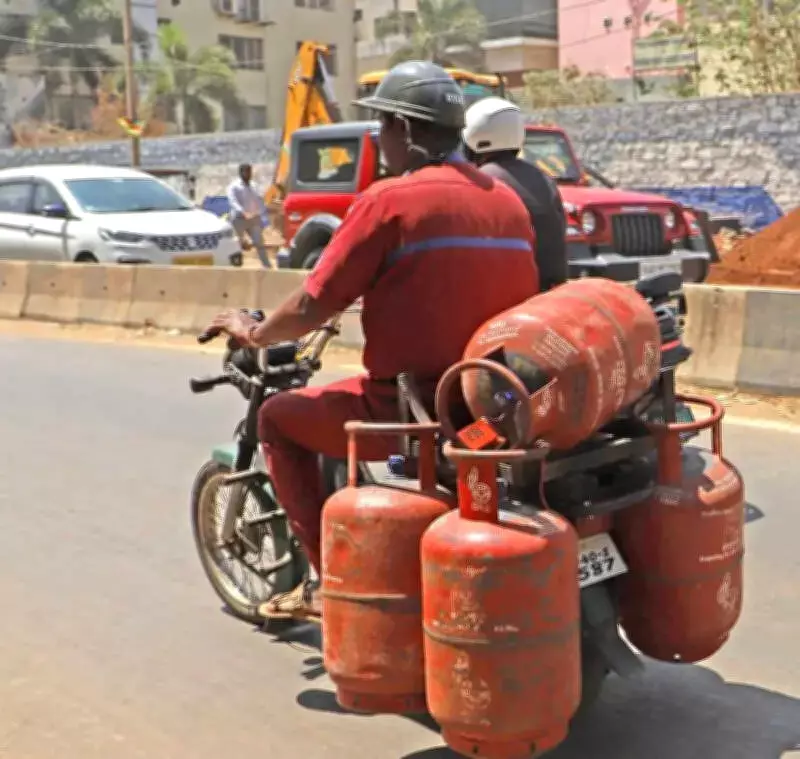
In Bengaluru, the bustling tech capital of India, hotels and restaurants are increasingly turning to biogas as a viable alternative fuel source. This strategic shift is primarily driven by the escalating costs of LPG and the growing financial burdens associated with waste management. The move highlights a broader trend towards sustainability and cost-efficiency in the city's hospitality industry.
Waste Disposal Challenges Prompt Innovation
The initiative comes amid mounting concerns over higher wet waste disposal charges. Currently, under the empanelled vendor system introduced by Bangalore Solid Waste Management Ltd, rates are capped at Rs 12 per kg, though they remain negotiable. Bulk waste generators, including many hotels, fear that vendors may impose even higher prices, leading to a significant increase in operational expenses. The hotel and restaurant sector, which contributes nearly 40% of Bengaluru's total waste, now sees a unique opportunity to convert this waste into energy for kitchen use, thereby reducing reliance on traditional fuels.
Most hotels in the city fall under the bulk waste generator category, producing over 100kg of waste daily. Previously, waste disposal was managed through lump-sum payments to vendors, but the revised pricing structure has prompted businesses to explore more cost-effective and sustainable alternatives. PC Rao, honorary president of the Bengaluru Hotels Association (BHA), emphasised the financial strain, stating, "We are already paying a lot of taxes and commercial charges, and now paying Rs 12 per kg will be too much of a burden. We will not be able to manage our expenses."

Plans for Decentralised Biogas Plants
In response to these challenges, the BHA is actively considering the establishment of biogas plants to process food waste into fuel. The association plans to set up decentralised plants across various city corporations to minimise transportation challenges and enhance efficiency. To support this initiative, the BHA is seeking land assistance from the Greater Bengaluru Authority (GBA), aiming to create a network of localised facilities that can serve multiple establishments.
Responding to the proposal, Maheshwar Rao, chief commissioner of the GBA, expressed openness to collaboration. He noted, "As of now, we have not received a formal proposal from BHA, though we had discussions a few months ago. Hoteliers are important stakeholders for us, and we are open to further discussions on such initiatives." This dialogue underscores the potential for public-private partnerships in advancing sustainable waste management solutions in Bengaluru.
Broader Implications for Sustainability and Economy
The adoption of biogas not only addresses immediate cost concerns but also aligns with broader environmental goals. By converting waste into energy, hotels can reduce their carbon footprint and contribute to a circular economy. This move is expected to set a precedent for other industries in Bengaluru and beyond, encouraging similar innovations in waste-to-energy technologies.
As the city continues to grapple with urbanisation and waste management issues, the hospitality sector's proactive approach could pave the way for more resilient and eco-friendly practices. Stakeholders remain optimistic that with adequate support and collaboration, biogas can become a mainstream fuel source, benefiting both businesses and the environment in the long run.






