

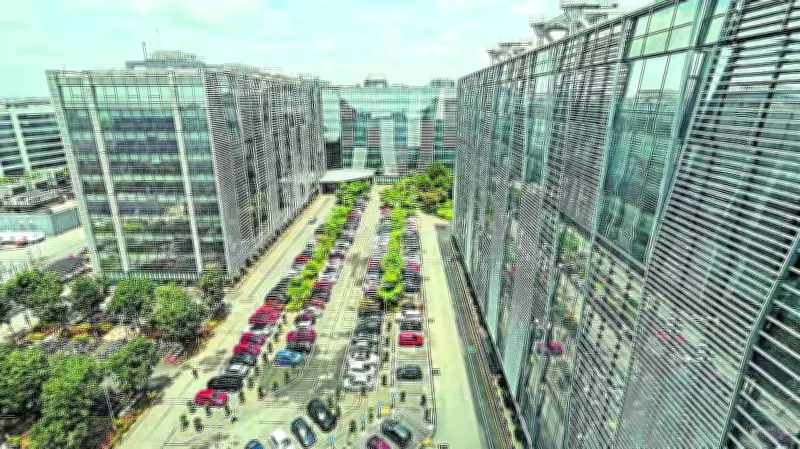
Bengaluru Grapples with Rising Industrial Water Demand
The bustling metropolis of Bengaluru, often hailed as India's Silicon Valley, is confronting a significant challenge in meeting the escalating water requirements of its industrial sector. As the city continues to expand economically, the strain on its water resources has become increasingly apparent, prompting authorities to devise and implement comprehensive strategies aimed at ensuring a reliable and sustainable water supply for industries.
Current Water Supply Challenges and Infrastructure
Bengaluru's industrial landscape, which includes numerous technology parks, manufacturing units, and research facilities, relies heavily on a consistent water supply for operations. However, the existing infrastructure has struggled to keep pace with the rapid growth, leading to concerns about water scarcity and potential disruptions to industrial activities. The city's water sources, including rivers, reservoirs, and groundwater, are under immense pressure due to both industrial and domestic consumption.
Recent assessments have highlighted the urgent need for upgrades to water distribution networks and treatment facilities. Leakages in pipelines and inefficient water management practices have exacerbated the situation, resulting in significant losses of precious water resources. Authorities are now prioritizing the modernization of these systems to enhance efficiency and reduce wastage, which is crucial for supporting Bengaluru's industrial ambitions.

Innovative Solutions and Sustainable Approaches
In response to these challenges, Bengaluru's municipal and state agencies are exploring a range of innovative solutions to bolster water supply for industries. One key focus is on promoting water recycling and reuse initiatives within industrial zones. By encouraging companies to adopt advanced treatment technologies, the aim is to minimize freshwater extraction and create a circular water economy that benefits both the environment and the industrial sector.
Additionally, there is a growing emphasis on rainwater harvesting and the development of alternative water sources, such as treated wastewater and stormwater management projects. These measures are designed to diversify the water portfolio and reduce dependency on traditional sources, which are often vulnerable to seasonal fluctuations and climate change impacts. The integration of smart water management systems, leveraging data analytics and IoT technologies, is also being considered to optimize water usage and monitor supply in real-time.
Collaborative Efforts and Policy SupportThe success of these initiatives hinges on strong collaboration between government bodies, industrial associations, and environmental experts. Stakeholder meetings and workshops are being conducted to gather insights and align efforts towards common goals. Policy frameworks are being reviewed and updated to incentivize water conservation practices among industries, including potential subsidies for adopting green technologies and penalties for excessive water consumption.
Moreover, public awareness campaigns are being launched to highlight the importance of water stewardship in sustaining Bengaluru's economic growth. By fostering a culture of responsibility and innovation, the city aims to not only meet its current industrial water demand but also build resilience against future challenges. The long-term vision includes creating a model for urban water management that can be replicated in other fast-growing cities across India and beyond.
Looking Ahead: A Sustainable Future for Bengaluru's IndustriesAs Bengaluru continues to evolve as a global industrial hub, addressing its water needs remains a top priority. The ongoing efforts to enhance water supply infrastructure and promote sustainable practices are critical steps towards ensuring that industries can thrive without compromising the city's ecological balance. With continued investment and commitment, Bengaluru is poised to set a benchmark in managing industrial water demand effectively, paving the way for a more sustainable and prosperous future.






