

Bengaluru Restaurants Navigate Crisis as CCPA Prohibits Fuel Surcharges
The Central Consumer Protection Authority (CCPA) has issued a decisive directive prohibiting all hotels and restaurants from imposing default charges, including LPG fees, gas surcharges, and fuel recovery costs. This regulatory move comes at a critical time for Bengaluru's food service industry, which is already grappling with severe supply chain disruptions and escalating input costs triggered by ongoing tensions in West Asia.
Supply Chain Crisis Intensifies Restaurant Challenges
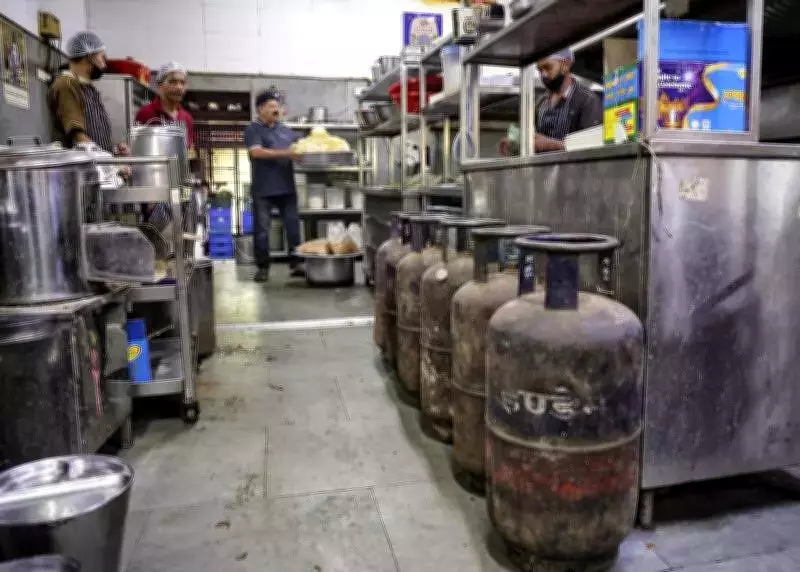
The geopolitical tensions in West Asia have created significant ripple effects across global fuel supply chains, leading to erratic LPG cylinder availability and sharp price increases throughout Bengaluru. Multiple establishments have reported receiving only two cylinders daily when they require five, forcing drastic operational adjustments. Many restaurants have been compelled to reduce their operating hours, streamline their menus, and consider marginal price revisions to manage the mounting financial pressure.
GK Shetty of the Bangalore Hotels' Association emphasized the industry's compliance stance: "We have received the CCPA circular, and what some restaurants are doing is clearly wrong. Since this is a central directive, LPG or similar charges cannot be levied under the law. We are planning to issue our own circular to all member restaurants, making it unequivocally clear that such charges cannot be imposed."

Shetty further explained that while individual establishments may consider reasonable price revisions of 5-10% if facing losses, or rationalize their menus to manage costs, charging separate LPG fees remains completely unacceptable and unsupported by industry associations.
Restaurant Owners Voice Concerns Over Survival Strategies
Veerendra Kamat, owner of Kamat Hotels, revealed the severity of the situation: "Over the past month, sales have dropped by 30%, forcing many of us to cut down menus and operating hours. Items like dosas, which were previously available all day, are now limited to mornings and evenings because they consume substantial LPG. We cannot absorb the entire burden. Some rationalization is unavoidable, and we are considering a 5-10% price hike since passing the entire cost to customers isn't fair either."
Another restaurant owner from BTM Layout IV Stage expressed frustration with what they perceive as unequal treatment: "This is not at all fair on small eateries like us. When we hike prices, customers won't come. But when airlines charge for fuel separately, why shouldn't we levy LPG charges? Why are we the only ones being questioned?"
CCPA Clarifies Business Operation Costs Must Be Built Into Pricing
The CCPA, acting on complaints received through the National Consumer Helpline and media reports, has determined that these additional charges are being imposed over and above menu prices and taxes, often as a method to circumvent existing norms regarding service charges. The authority has explicitly stated that expenses such as fuel, LPG, and electricity constitute fundamental components of business operations and cannot be passed on as mandatory add-ons.
Any such levy, regardless of its specific nomenclature, will be treated as a violation of guidelines issued in July 2022. The CCPA has categorically described hidden add-ons as unfair trade practices under the Consumer Protection Act of 2019, reinforcing that all costs must be transparently integrated into menu pricing rather than added separately.
Historical Context of Add-On Charge Scrutiny
This regulatory action follows closely on the heels of similar measures taken by the central government last month, when fresh guidelines were issued prohibiting hotels and restaurants from levying service charges by default. Those guidelines made it clear that such fees must be entirely voluntary, responding to numerous consumer complaints about unexpected additional costs.
The current situation represents a critical juncture for Bengaluru's hospitality sector, as establishments must now navigate between regulatory compliance, operational sustainability, and customer retention in an increasingly challenging economic environment marked by supply chain volatility and rising operational expenses.






