

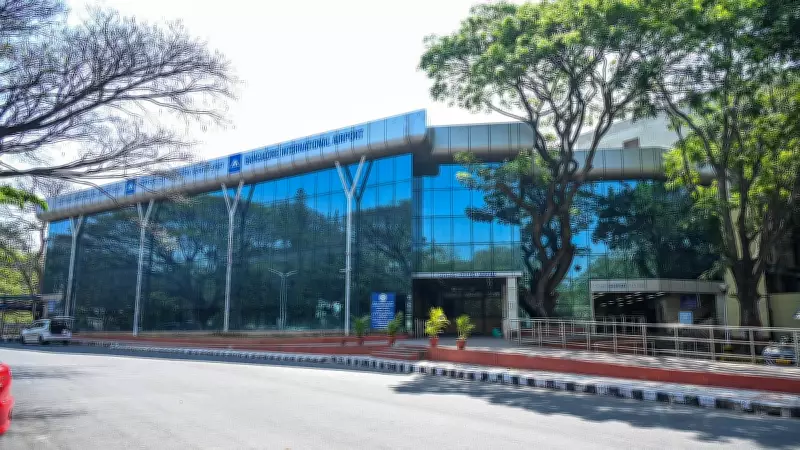
Bengaluru's HAL Airport Set for Major Transformation into Global Aerospace Hub
A groundbreaking proposal has been unveiled to completely transform Bengaluru's historic 700-acre HAL airport into a cutting-edge global aerospace hub within the next ten years. This ambitious masterplan outlines a comprehensive roadmap to establish the HAL Aerospace City District as India's pioneering integrated defence–civil–space corridor, marking a significant leap forward for the nation's aviation and technology sectors.
Vision for a World-Class Aerospace Ecosystem
The detailed masterplan presents a strategic 10-year vision to redevelop the entire HAL airport site into a state-of-the-art aerospace district. This initiative aims to create a fully integrated ecosystem that seamlessly combines defence, civil aviation, and space technology operations in one centralized location. The transformation is designed to position Bengaluru as a global leader in aerospace innovation and manufacturing, leveraging the city's existing strengths in technology and engineering.
The proposed HAL Aerospace City District will serve as India's first comprehensive corridor dedicated to aerospace development, bringing together military, commercial, and space exploration activities under one unified framework. This integrated approach is expected to foster unprecedented collaboration between different sectors of the aerospace industry, driving innovation and economic growth.

Strategic Importance and Economic Impact
This transformation of the 700-acre HAL airport represents one of the most significant infrastructure projects in Bengaluru's recent history. The masterplan emphasizes creating world-class facilities that can accommodate advanced aerospace research, development, manufacturing, and testing operations. By consolidating defence, civil, and space activities in a single district, the project aims to eliminate operational silos and create synergies that have previously been lacking in India's aerospace sector.
The 10-year roadmap includes phased development of specialized zones within the aerospace hub, each tailored to specific aspects of aerospace technology and operations. These zones will feature modern infrastructure, research centers, manufacturing facilities, and testing grounds designed to meet international standards. The project is expected to generate substantial employment opportunities and attract significant investment to the region, further solidifying Bengaluru's reputation as India's technology capital.
Implementation Timeline and Future Prospects
The masterplan outlines a clear implementation strategy spanning the next decade, with specific milestones and deliverables at each stage of development. Initial phases will focus on infrastructure upgrades and facility construction, while later stages will concentrate on operational integration and technology deployment. The complete transformation is scheduled to be realized by 2036, creating a fully functional aerospace hub that can compete with similar facilities worldwide.
This initiative represents a strategic move to enhance India's capabilities in aerospace technology and strengthen its position in the global market. The integrated defence–civil–space corridor concept is particularly innovative, as it breaks down traditional barriers between different aerospace sectors and creates opportunities for cross-pollination of ideas and technologies. As the project progresses, it is expected to attract partnerships with international aerospace companies and research institutions, further elevating India's profile in this critical industry.






