

Berhampur Eateries Innovate with Paddy Husk Fuel Amid LPG Supply Crisis
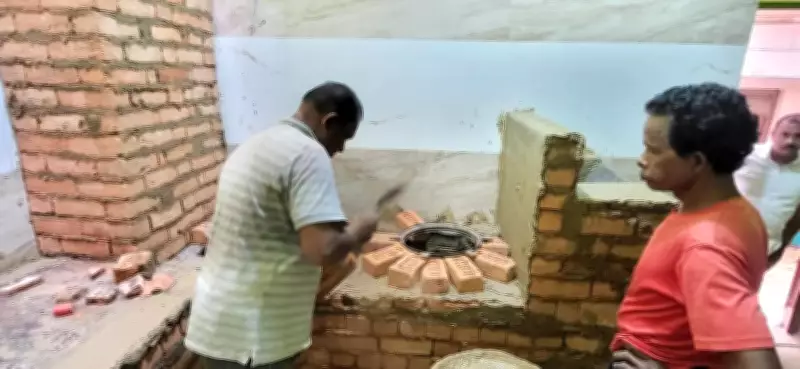
In response to a severe shortage of cooking gas, numerous restaurants across Berhampur, often referred to as the silk city, have adopted an innovative solution: using paddy chaff as an alternative fuel source. This shift has led to the development of specialized chullahs designed specifically for this purpose, marking a significant adaptation in the local culinary industry.
Specialized Chullah Design and Construction
The newly crafted chullahs are constructed from cement and reinforced with strong iron rods, featuring a high-rise chimney to effectively release smoke. Sudam Sahu, a skilled chullah-maker, explained the process, stating, "We took around two to three days to make a paddy-husk based chullah, which costs approximately Rs 1 lakh." Sahu has prior experience, having built similar chullahs in various towns across Odisha and Andhra Pradesh even before the current LPG crisis intensified.
How the Paddy Husk Chullah Operates
In these chullahs, paddy husks are burned in the lower section, generating heat that warms the iron rods installed in the upper part. This design not only produces more intense heat but also ensures longer-lasting fuel efficiency compared to traditional sources. The food is cooked directly using the heat from the iron rods, enabling the simultaneous preparation of multiple items such as dosa, idli, and bara, thereby enhancing kitchen productivity.

Economic and Environmental Benefits
The adoption of paddy husk fuel offers both economic and environmental advantages. Santosh Dalei, a local eatery owner, highlighted the decision, saying, "Due to a short supply of cooking gas, I have decided to switch over to paddy husk as an alternative fuel." He procures husk at Rs 7 to Rs 10 per kilogram, requiring about 10 to 12 kg daily, which proves cost-effective amid rising LPG prices. Additionally, the burned husks are in demand by brick industries in Andhra Pradesh, creating a secondary market and reducing waste.
Historical Context and Government Policy Support
This method is not entirely new; many in Berhampur historically used similar techniques for cooking, and some continue to employ it as a bio-fuel today. The practice has gained renewed relevance with the state government's fuel policy, notified in April 2021, which explicitly permits the use of agricultural residue as fuel. This policy framework has facilitated the transition, with Sahu receiving increased orders for chaff-based chullahs from hotels across the silk city following disruptions in LPG supply.
Impact on Local Businesses and Future Prospects
The shift to paddy husk fuel is reshaping how local eateries operate, allowing them to maintain service despite fuel shortages. An unnamed restaurant owner noted that items like dosa, idli, and bara are successfully prepared on these chullahs, ensuring business continuity. As the LPG crisis persists, this innovation not only addresses immediate needs but also promotes sustainable practices by utilizing agricultural by-products, potentially setting a precedent for other regions facing similar challenges.






