Bharat-Made Trainsets for Mumbai-Ahmedabad Bullet Train Corridor
The ambitious Mumbai-Ahmedabad bullet train project is set to receive a significant boost with the introduction of domestically manufactured trainsets. This development marks a pivotal step in India's high-speed rail initiative, aiming to enhance connectivity and promote local industrial capabilities.
Domestic Manufacturing Initiative
In a strategic move to reduce dependency on imports and foster self-reliance, the trainsets for the bullet train corridor will be produced within Bharat. This initiative aligns with the government's broader vision of Atmanirbhar Bharat (Self-Reliant India), emphasizing indigenous manufacturing in critical infrastructure projects.
The decision to manufacture trainsets locally is expected to generate substantial economic benefits, including job creation and technology transfer. It will also streamline the supply chain, potentially reducing costs and accelerating project timelines.

Project Overview and Significance
The Mumbai-Ahmedabad bullet train corridor is a flagship project under India's National High-Speed Rail Corporation Limited (NHSRCL). Spanning approximately 508 kilometers, it aims to cut travel time between the two major cities to under three hours, compared to the current seven to eight hours by conventional rail.
Key features of the project include:
- Implementation of Japanese Shinkansen technology for safety and efficiency.
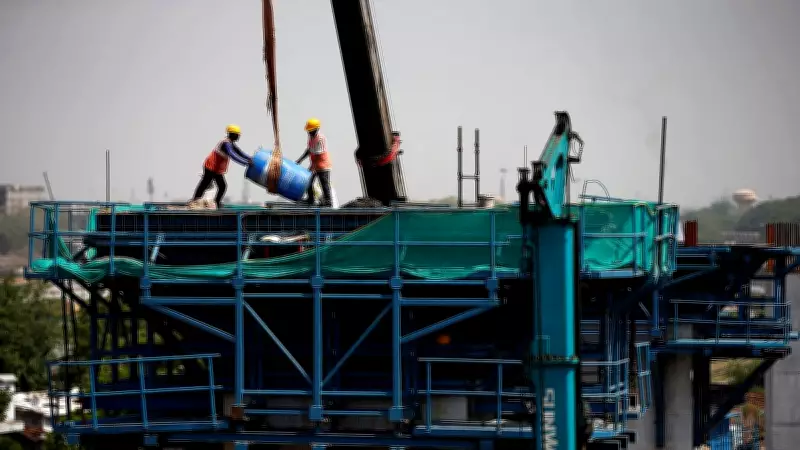
- Development of state-of-the-art stations and infrastructure along the route.
- Integration with existing transport networks to enhance multimodal connectivity.
The use of Bharat-made trainsets underscores a commitment to leveraging local expertise while adopting international best practices. This approach is anticipated to set a precedent for future high-speed rail projects in the country.
Impact on Industry and Economy
Local manufacturing of trainsets is poised to catalyze growth in Bharat's rail and engineering sectors. By involving domestic companies in production, the project will:
- Stimulate innovation and skill development in advanced manufacturing techniques.
- Reduce foreign exchange outflows by minimizing imports of critical components.
- Enhance the global competitiveness of Indian industries in the high-speed rail domain.
Moreover, this move is expected to bolster public confidence in indigenous capabilities, encouraging further investments in infrastructure development. It aligns with broader economic goals of boosting industrial output and fostering sustainable development.
Challenges and Future Prospects
While the shift to domestic manufacturing presents opportunities, it also entails challenges such as ensuring quality standards, meeting technical specifications, and managing production schedules. Collaborative efforts between government agencies, private sector players, and international partners will be crucial to address these hurdles effectively.
Looking ahead, the successful deployment of Bharat-made trainsets could pave the way for expanded high-speed rail networks across India. This project serves as a testbed for scaling up indigenous manufacturing in other sectors, contributing to long-term economic resilience.
In conclusion, the integration of domestically produced trainsets into the Mumbai-Ahmedabad bullet train corridor represents a landmark achievement in Bharat's infrastructure journey. It reflects a balanced approach of embracing global technology while empowering local industries, ultimately aiming to deliver efficient and sustainable transport solutions for the nation.