

Thiruvananthapuram Bike Taxi Service Faces Strong Opposition from Auto and Taxi Unions
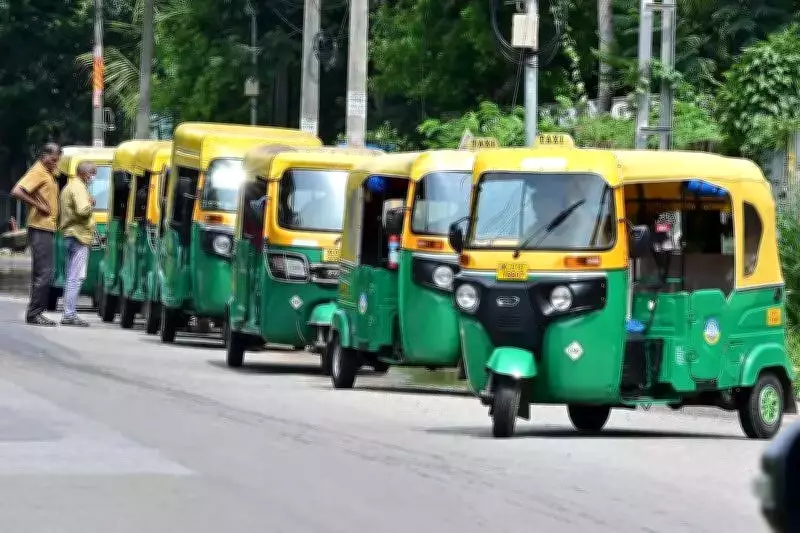
In Thiruvananthapuram, the capital city of Kerala, a significant controversy has erupted with the recent introduction of app-based bike taxi services. The National Online Auto Taxi Drivers Union (INTUC) has voiced strong opposition, warning that this move could severely impact the livelihoods of thousands of auto rickshaw and taxi drivers who rely on traditional transport services for their income.
Union Raises Livelihood and Safety Concerns
In a detailed statement, the union highlighted that bike taxi operations, such as those launched by Rapido in the city, are not legally permitted in many parts of India. They expressed serious concerns over passenger safety, arguing that two-wheeler taxi services expose commuters to higher risks compared to conventional public transport options like auto rickshaws and taxis.
Akshay, the district president of the union, emphasized, "Bike taxi operations are not only a challenge to the livelihood of auto rickshaw and taxi workers but also raise serious safety concerns for passengers. Authorities must immediately review this decision."

Calls for Regulatory Framework and Government Intervention
The union further stated that allowing such services without a clear regulatory framework could disrupt the existing transport ecosystem and lead to unfair competition. They warned that if authorities fail to intervene, the union would be forced to launch protest programmes in the coming days to protect their interests.
Union leaders, including district secretary Ansar Ali Kuttikkadan and general secretary Rahul Vettucaud, echoed similar concerns. They urged the government to hold consultations with stakeholders, including auto and taxi workers, before proceeding further with the bike taxi services.
Broader Context of Bike Taxi Services in India
Bike taxi platforms have been expanding to several Indian cities, offering low-cost and quick mobility solutions to commuters. However, their legality has remained a contentious issue across the country. Multiple states have either restricted these services or have yet to frame clear policies governing their operation, leading to ongoing debates and conflicts.
With the service now launched in Thiruvananthapuram, tensions are likely to escalate unless a consensus is reached between the parties involved. The situation highlights the broader challenges of integrating new transport technologies with existing systems while addressing the concerns of traditional workers.
The union's opposition underscores the need for balanced policies that consider both innovation in public transport and the protection of livelihoods in the evolving urban mobility landscape.






