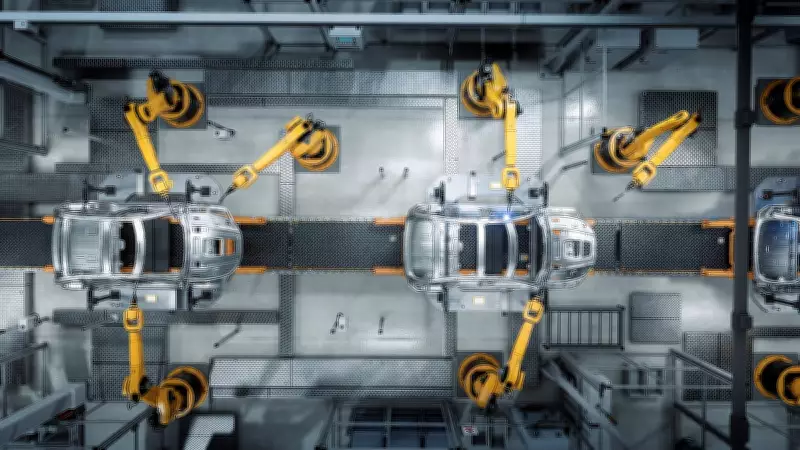
Union Budget 2026-27 Charts Bold Manufacturing-First Course for India's Industrial Future
The Union Budget for the fiscal year 2026-27 has been unveiled with a transformative vision, placing manufacturing at the forefront of India's economic strategy. This comprehensive blueprint marks a significant shift towards prioritizing industrial growth as a key driver of national development, signaling a new era for the country's manufacturing sector.
Integrated Approach: Manufacturing Meets Urban Development
At the heart of this strategy lies an innovative integration of industrial expansion with specialized urban hubs. These planned urban centers are designed to serve as catalysts for manufacturing excellence, creating ecosystems that foster innovation, efficiency, and sustainable growth. The approach recognizes that successful manufacturing requires more than just factories—it needs supportive infrastructure, skilled workforces, and vibrant communities.
Electronics Sector Receives Massive Financial Boost
One of the most striking announcements in the budget is the dramatic increase in funding for the electronics sector. The government has committed to doubling the electronics outlay to an impressive Rs 40,000 crore, demonstrating a clear commitment to making India a global hub for electronics manufacturing. This substantial investment is expected to accelerate production capabilities, enhance research and development, and create numerous employment opportunities across the value chain.

India Semiconductor Mission 2.0: The Next Phase of Technological Sovereignty
Building on previous initiatives, the budget introduces India Semiconductor Mission 2.0, an ambitious program aimed at strengthening the country's position in the critical semiconductor industry. This next-phase mission seeks to address the global chip shortage while positioning India as a reliable alternative in the semiconductor supply chain. The initiative represents a strategic move toward technological self-reliance and global competitiveness in this vital sector.
Comprehensive Strategy for Holistic Industrial Growth
The manufacturing-first approach outlined in the budget encompasses multiple dimensions:
- Enhanced infrastructure development to support manufacturing clusters
- Policy reforms to streamline regulatory processes and encourage investment
- Skill development programs tailored to manufacturing sector requirements
- Export promotion initiatives to boost India's presence in global markets
- Sustainability measures to ensure environmentally responsible industrial growth
This holistic strategy recognizes that manufacturing excellence requires coordinated efforts across policy, infrastructure, human capital, and technology domains. By addressing these interconnected elements simultaneously, the government aims to create a virtuous cycle of industrial development that benefits the entire economy.
Long-Term Implications for India's Economic Trajectory
The manufacturing-first strategy outlined in the Union Budget 2026-27 represents more than just a collection of policy measures—it signals a fundamental reorientation of India's economic priorities. By placing manufacturing at the center of growth plans, the government aims to achieve multiple objectives simultaneously: boosting employment, enhancing exports, reducing import dependence, and strengthening the country's position in global value chains.
As these initiatives unfold over the coming years, they are expected to transform India's industrial landscape, creating new opportunities for businesses, workers, and investors alike. The success of this manufacturing-first approach will likely determine India's economic trajectory for decades to come, making the Union Budget 2026-27 a potentially historic document in the nation's development journey.