Union Budget 2026 Unveils Major Initiatives for Textile and Handicraft Sectors
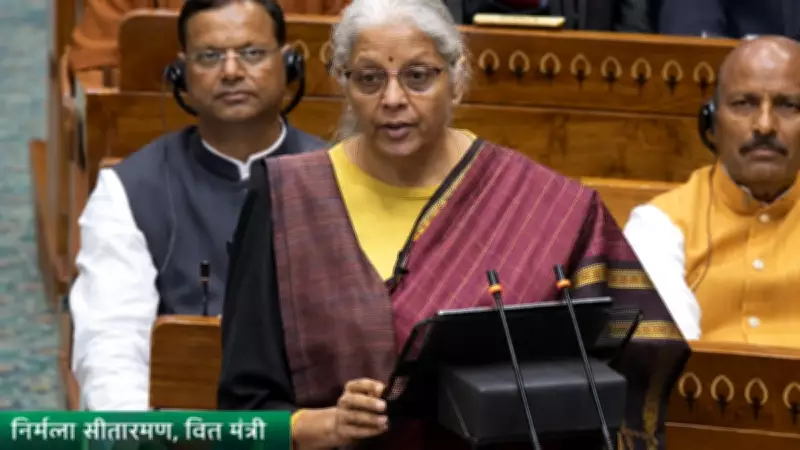
The Union Budget for the fiscal year 2026, presented by the Finance Minister, has introduced a series of ambitious measures aimed at revitalizing India's textile and handicraft industries. These initiatives are designed to enhance productivity, generate employment, and strengthen the country's position in the global market.
Mega Textile Parks: A Game-Changer for the Industry
One of the standout announcements in Budget 2026 is the establishment of mega textile parks across various states in India. These parks are envisioned as integrated hubs that will bring together spinning, weaving, processing, and garment manufacturing under one roof. The government plans to invest significantly in infrastructure, including state-of-the-art machinery, logistics support, and sustainable practices.
The primary objectives of these mega textile parks include:

- Boosting textile exports by improving efficiency and reducing production costs.
- Creating millions of new jobs, particularly in rural and semi-urban areas.
- Promoting innovation and technology adoption in the sector.
- Enhancing the competitiveness of Indian textiles on the international stage.
This move is expected to attract both domestic and foreign investments, fostering a robust ecosystem for textile manufacturing.
Enhanced Support for Khadi and Handicrafts
In a bid to preserve and promote India's rich cultural heritage, Budget 2026 has allocated substantial funds for the Khadi and handicrafts sectors. The government aims to provide financial assistance, skill development programs, and marketing support to artisans and weavers involved in these traditional crafts.
Key initiatives for Khadi and handicrafts include:
- Increased subsidies and grants for Khadi institutions to modernize their production processes.
- Launch of digital platforms to connect artisans directly with consumers, both domestically and globally.
- Organizing international trade fairs and exhibitions to showcase Indian handicrafts.
- Implementing quality control measures to ensure high standards and authenticity.
These efforts are geared towards empowering local communities, preserving traditional skills, and increasing the market reach of Khadi and handicraft products.
Economic and Social Impact
The announcements in Budget 2026 are poised to have a profound impact on India's economy and society. By focusing on the textile and handicraft sectors, the government aims to:
- Stimulate economic growth through increased industrial output and exports.
- Generate sustainable livelihood opportunities, especially for women and youth in rural areas.
- Promote sustainable and eco-friendly practices in manufacturing, aligning with global environmental standards.
- Strengthen the Make in India initiative by boosting domestic production and reducing import dependency.
Overall, Budget 2026 reflects a strategic vision to transform India into a global leader in textiles and handicrafts, while fostering inclusive development and cultural preservation.