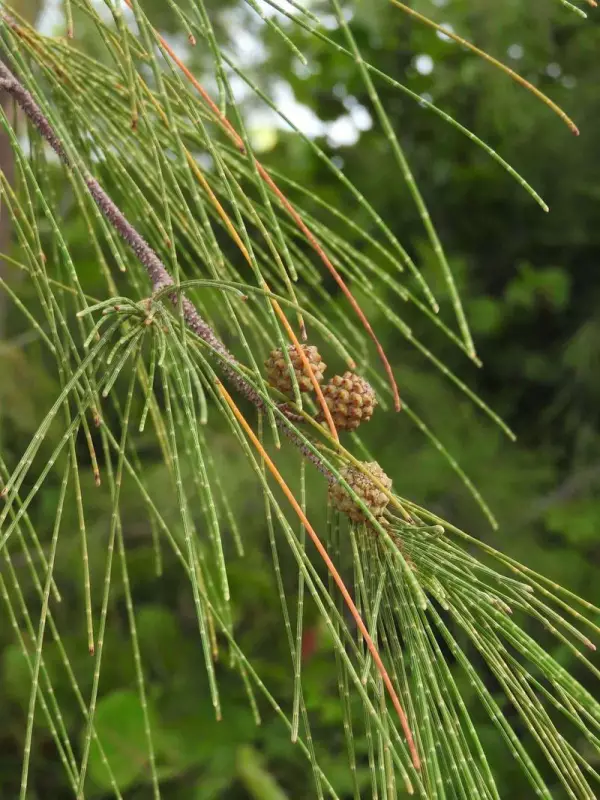
In a significant development for Punjab's agricultural sector, casuarina cultivation is emerging as a game-changing alternative for farmers seeking higher returns and sustainable farming practices. Experts from Punjab Agricultural University (PAU) have identified this fast-growing tree species as a promising solution to the state's agricultural challenges.
Revolutionizing Traditional Farming Practices
The research team from PAU's Department of Forestry and Natural Resources has been actively promoting casuarina farming across the state. Dr. S.K. Gupta and Dr. M.S. Mahal, the leading experts behind this initiative, emphasize that casuarina offers substantially better economic returns compared to conventional crops.
According to the PAU findings, farmers can expect to earn approximately ₹3-4 lakh per acre from casuarina cultivation over a four to five-year cycle. This represents a dramatic improvement over traditional crops like wheat and paddy, which have been the mainstay of Punjab agriculture for decades but offer diminishing returns.

Multiple Benefits Beyond Economic Gains
The advantages of casuarina cultivation extend far beyond financial benefits. The tree species serves multiple purposes that address various agricultural and environmental concerns facing Punjab farmers.
Casuarina trees demonstrate remarkable resilience in challenging conditions, thriving in waterlogged, saline, and sandy soils where traditional crops often fail. This characteristic makes them particularly valuable for marginal lands that would otherwise remain unproductive.
The trees also play a crucial environmental role by acting as effective windbreaks, reducing soil erosion, and improving soil health through nitrogen fixation. Their rapid growth rate and high biomass production make them an excellent source for timber, pulpwood, and fuelwood, creating diverse income streams for farmers.
Practical Implementation and Farmer Success Stories
PAU experts have developed comprehensive cultivation guidelines to help farmers maximize their casuarina yields. The recommended planting density ranges between 1,500 to 2,000 plants per acre, with proper spacing and irrigation management being crucial for optimal growth.
The university has been organizing extensive awareness campaigns and training programs to educate farmers about casuarina cultivation techniques. These initiatives include field demonstrations, workshops, and distribution of educational materials in local languages to ensure widespread adoption.
Several progressive farmers across Punjab have already embraced casuarina cultivation with remarkable success. Their experiences serve as living proof of the crop's potential to transform agricultural livelihoods while contributing to environmental sustainability.
As Punjab's agricultural sector faces increasing challenges from depleting groundwater, soil degradation, and fluctuating crop prices, casuarina cultivation offers a viable and profitable alternative that aligns with both economic and ecological objectives. The PAU-led initiative represents a significant step toward agricultural diversification and sustainable farming practices in the region.