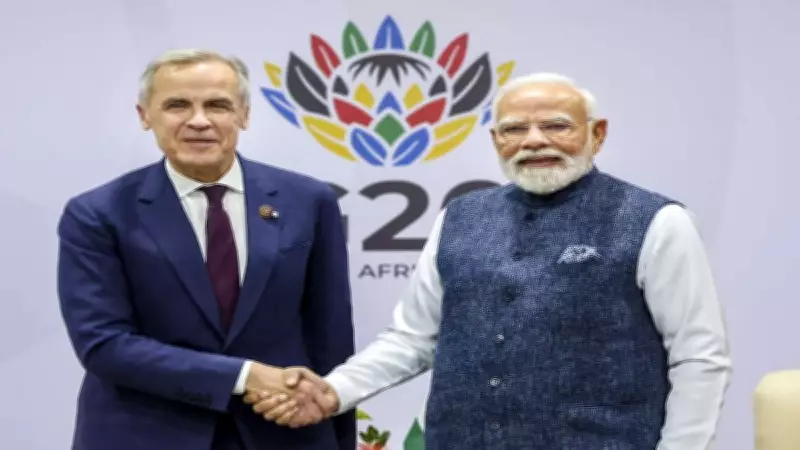
Canada's Prime Minister Mark Carney Arrives in India for High-Stakes Diplomatic Talks
Canadian Prime Minister Mark Carney has embarked on a significant official visit to India, marking a pivotal moment in bilateral relations between the two nations. The trip, scheduled for early 2026, aims to address a range of critical issues, from trade imbalances to longstanding diplomatic strains. This visit underscores the mutual desire to forge a stronger partnership in an increasingly complex global landscape.
What Canada Seeks from India: Economic and Strategic Gains
Canada's agenda for the visit is multifaceted, with a primary focus on economic collaboration. Key expectations from the Canadian side include:
- Enhanced Trade Opportunities: Canada is keen to expand its exports to India, particularly in sectors like agriculture, clean technology, and natural resources. With India's growing economy, Canadian businesses see immense potential in tapping into this vast market.
- Investment in Infrastructure: Canadian firms are eyeing opportunities in India's infrastructure development projects, including renewable energy initiatives and urban planning. This aligns with Canada's expertise in sustainable development.
- Diplomatic Resolution: Ottawa hopes to mend diplomatic ties that have been strained in recent years over issues such as trade disputes and geopolitical alignments. Carney's visit is seen as a step toward rebuilding trust and fostering open dialogue.
- Cooperation in Technology and Innovation: Canada seeks to collaborate with India in areas like artificial intelligence, cybersecurity, and digital governance, leveraging India's tech prowess and Canada's research capabilities.
India's Expectations: Balancing Trade and Sovereignty
From New Delhi's perspective, the visit presents an opportunity to address its own priorities while responding to Canadian overtures. India's key expectations include:

- Reciprocal Market Access: India aims to secure better access for its goods and services in the Canadian market, particularly in pharmaceuticals, information technology, and textiles. This is crucial for reducing the trade deficit that currently favors Canada.
- Support for Strategic Autonomy: New Delhi expects Canada to respect its foreign policy decisions and sovereignty, especially in light of past tensions. This includes understanding India's stance on regional security issues.
- Collaboration on Climate Change: India is interested in partnering with Canada on climate initiatives, such as clean energy projects and carbon reduction technologies, given Canada's leadership in environmental policies.
- People-to-People Ties: Enhancing cultural and educational exchanges is a priority for India, as it seeks to strengthen the diaspora connections and promote mutual understanding.
Potential Outcomes and Future Prospects
The discussions between Prime Minister Narendra Modi and Mark Carney are expected to yield several tangible outcomes. These may include:
- Trade Agreements: Potential announcements on new trade pacts or revisions to existing ones to boost bilateral commerce.
- Joint Ventures: Initiatives in sectors like renewable energy, where both countries can pool resources and expertise.
- Diplomatic Frameworks: Establishment of regular high-level dialogues to prevent future misunderstandings and promote cooperation.
This visit is not just about immediate gains but also about setting a long-term foundation for a robust India-Canada relationship. As global dynamics shift, both nations recognize the importance of a stable and productive partnership.