Chennai Eateries Resort to Illegal Use of Subsidized LPG Cylinders as Prices Skyrocket
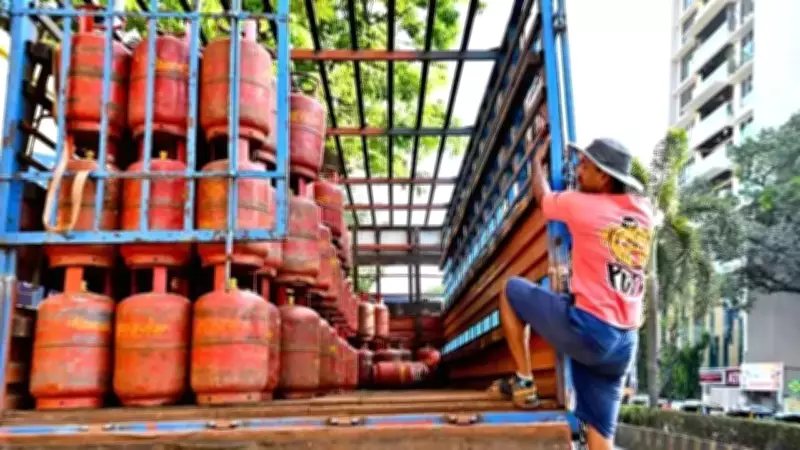
Roadside eateries across Chennai are engaging in widespread and illegal use of subsidized domestic LPG cylinders, flouting regulations while authorities remain inactive. The 14.2kg domestic cylinders, intended solely for household consumption under government subsidy schemes, are being diverted for commercial purposes by numerous food vendors and small restaurants.
Regulatory Violations and Deceptive Practices
The Liquefied Petroleum Gas (Regulation of Supply and Distribution) Order, 2000 explicitly prohibits the diversion of subsidized domestic cylinders for business use. According to the regulations, commercial establishments must utilize larger 19kg or 47.5kg cylinders that are priced significantly higher without subsidies. Despite this clear legal framework, enforcement has been conspicuously absent.
On Wednesday, investigations revealed multiple eateries in Velachery, Tambaram, Alandur, and T Nagar operating with domestic LPG cylinders. Some establishments had scratched off the original red paint from these cylinders in attempts to disguise them as commercial blue cylinders. Many others simply covered the cylinders with jute sacks to avoid detection.

Economic Pressures Driving Illegal Practices
The primary driver behind this illegal activity appears to be the dramatic surge in commercial cylinder prices. K Ramamurthy, a vendor operating on Velachery 100 Feet Road, explained the economic reality facing small food businesses. "We previously purchased commercial cylinders for ₹1,500 to ₹1,600. This month, prices have escalated to ₹2,500-₹2,800, with limited stock availability. Sometimes we wait two full days for a refill," he revealed.
In Tambaram, the situation has become even more dire, with commercial cylinder prices exceeding ₹3,000. Ramamurthy added, "Yesterday, both our outlets remained closed due to cylinder unavailability. We've drastically trimmed our menu and now serve only fried rice and biryani to manage costs."
Authorities Acknowledge Problem but Lack Enforcement
Activist David Manohar reported that many itinerant food vendors and tea shops in Pallavaram and Chromepet rely exclusively on domestic cylinders. "I have lodged multiple complaints with the civil supplies department, but received no response whatsoever. In some locations, establishments use commercial cylinders during daytime hours and switch to domestic ones at night to avoid detection," he stated.
B Kalaivani, Joint Commissioner of the Civil Supplies and Consumer Protection Department, acknowledged the issue but outlined limited enforcement measures. "When illegal use of domestic cylinders is reported, the department will seize them and transfer them to the concerned oil marketing companies. No penalties will be levied against the eateries themselves. If the cylinders are full, oil companies will refund the amount to the government," she explained.
Kalaivani added that eateries and commercial establishments found repeatedly using domestic cylinders would face supply restrictions, preventing them from obtaining cylinders in the future.
Contrasting Situation for Government-Run Facilities
In stark contrast to the struggles faced by private eateries, government-run facilities report no LPG shortages. S Balachander, Corporation Commissioner, confirmed that the seven Amma Unavagam outlets in Tambaram continue to operate without disruption. The two cloud kitchens preparing food for the chief minister's breakfast scheme have also maintained normal operations.
"All nine kitchens have sufficient LPG cylinder stocks. The seven Amma Unavagam outlets collectively have 15 cylinders available, while the two cloud kitchens each maintain 14 cylinders," Balachander stated. He added that existing stocks would sustain operations for approximately 15 days, with additional cylinders expected to arrive within a week. "Once new cylinders are procured, the corporation will have adequate stock until April 5, after which summer vacations for students will commence," he concluded.
The growing disparity between regulated government facilities and struggling private eateries highlights systemic issues in LPG distribution and enforcement, raising questions about equitable access to essential resources during periods of economic strain.