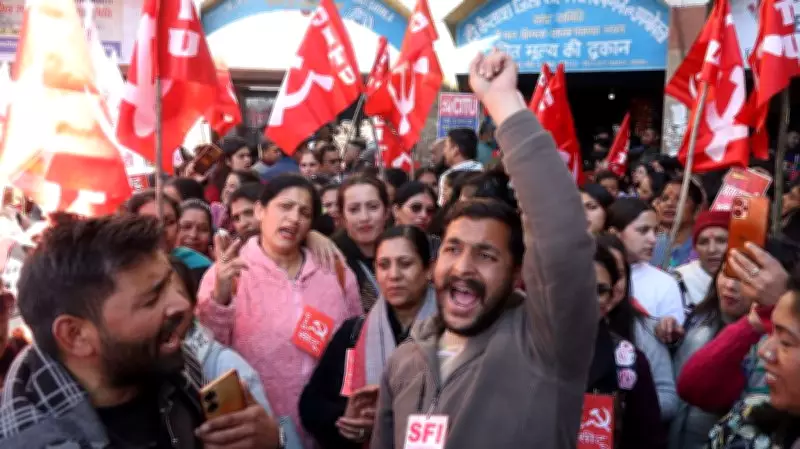
CITU Calls for Immediate Reversal of Labour Codes
The Centre of Indian Trade Unions (CITU) has issued a strong demand to the central government, urging the complete rollback of the newly implemented labour codes. This appeal highlights growing tensions between trade unions and policymakers over reforms that CITU claims could undermine the protections and benefits of workers across India.
Background and Rationale for the Demand
The labour codes, which consolidate and amend existing labour laws, were introduced by the central government with the stated aim of simplifying regulations and boosting economic growth. However, CITU and other trade unions argue that these changes may lead to reduced job security, weaker social security measures, and diminished bargaining power for employees. The union emphasizes that the codes could disproportionately affect workers in sectors like manufacturing, construction, and services, where labour rights are already a contentious issue.
Key Concerns Raised by CITU
CITU has outlined several specific grievances regarding the labour codes:

- Erosion of Worker Protections: The union asserts that the codes dilute essential safeguards, such as limits on working hours and provisions for overtime pay, potentially exposing workers to exploitation.
- Impact on Social Security: There are fears that the reforms might weaken schemes like provident funds and health insurance, leaving workers more vulnerable in times of need.
- Reduced Union Influence: CITU warns that the codes could curtail the role of trade unions in collective bargaining, making it harder for workers to negotiate fair wages and conditions.
Government's Position and Industry Response
The central government has defended the labour codes as necessary for modernizing India's labour framework and attracting investment. Officials argue that the reforms will create a more flexible and competitive job market, ultimately benefiting the economy and generating employment. Meanwhile, industry groups have generally welcomed the codes, citing potential for reduced compliance burdens and increased productivity. However, CITU remains skeptical, calling for a more worker-centric approach.
Potential Implications and Future Actions
If the demand for a rollback is not met, CITU has hinted at possible protests and mobilization efforts to pressure the government. The union plans to collaborate with other labour organizations to amplify their voice and seek broader public support. This situation underscores the ongoing debate between economic reforms and social welfare in India, with significant implications for labour policy and industrial relations.
The outcome of this standoff could shape the future of worker rights in the country, making it a critical issue for policymakers, businesses, and employees alike.