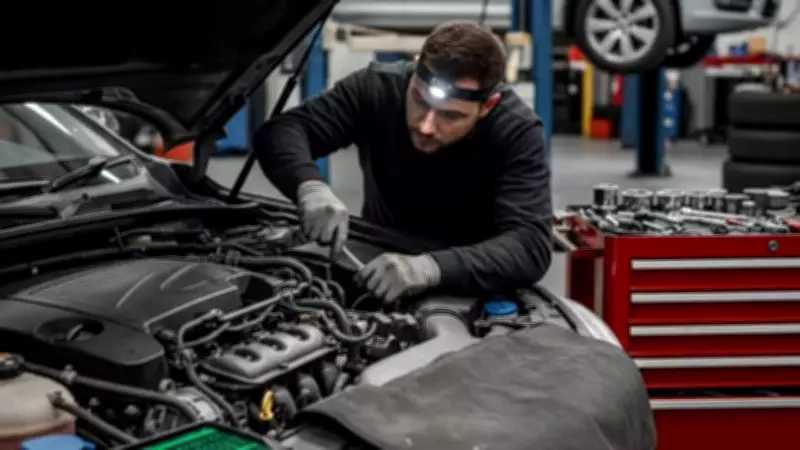
Common Driving Habits That Secretly Damage Your Car Engine Over Time
A car engine is engineered for durability and longevity, but its lifespan heavily depends on proper care and maintenance. While many owners prioritize metrics like mileage and performance, they often overlook subtle, everyday practices that can lead to significant engine damage over the long term. The reality is straightforward: most engine failures do not occur abruptly; they develop gradually due to repeated neglect or harmful habits. Many drivers inadvertently compromise their engines without realizing it, and when issues finally surface, the repair costs can be exorbitant.
Neglecting Engine Oil Changes
One of the most prevalent mistakes is postponing engine oil changes. Engine oil serves a critical function by lubricating moving parts, reducing friction, and dissipating heat. Over time, oil accumulates contaminants and degrades, losing its effectiveness. When this happens, engine components experience increased wear and tear, accelerating deterioration. Adhering to a timely oil change schedule can substantially enhance engine health and performance.
Ignoring Air Filter Replacement
The air filter is another component that requires regular attention. A clogged or dirty air filter restricts airflow, forcing the engine to work harder and consume more fuel. This added strain can lead to reduced efficiency and potential damage over time. Replacing the air filter as recommended by the manufacturer is a simple yet vital step in engine maintenance.

Overheating Risks and Consequences
Overheating is a serious issue that many drivers disregard. Some continue operating their vehicles even when the temperature warning light illuminates, which poses significant risks. Overheating can cause severe damage to critical parts such as pistons and the cylinder head. Repairs in such scenarios are often costly, and in extreme cases, the engine may require a complete rebuild. Promptly addressing cooling system issues is essential to prevent catastrophic failure.
Revving a Cold Engine
Another harmful habit is revving the engine immediately after starting the car, particularly in the morning. Engine oil needs a brief period to circulate and reach optimal operating temperature. Revving a cold engine increases wear on internal components, as lubrication is insufficient. Allowing the engine to idle gently for a minute or two before driving can mitigate this risk and prolong engine life.
Importance of Routine Servicing
Routine servicing is equally crucial for engine longevity. Skipping basic maintenance tasks often leads to more severe problems down the line. Components like spark plugs, filters, and timing belts require periodic replacement to ensure smooth operation. Neglecting these items can result in diminished performance and, in some instances, engine failure. Regular servicing not only preserves engine function but also saves money by avoiding expensive repairs.
Clutch Pedal Misuse in Manual Cars
Manual car drivers frequently develop the bad habit of resting their foot on the clutch pedal. While this may seem innocuous, even slight pressure can cause premature clutch wear and reduce fuel efficiency. Over time, this practice can lead to costly repairs and decreased driving comfort. Keeping the foot off the clutch when not in use is a simple adjustment that benefits both the vehicle and the driver.
Heeding Dashboard Warning Lights
Drivers should always pay attention to warning lights on the dashboard. These alerts are designed to signal potential issues before they escalate. Ignoring them can transform a minor problem into a major mechanical failure. Proactive monitoring and timely intervention are key to maintaining engine health.
Effective engine care does not have to be complicated. By adopting a few sensible habits, such as regular maintenance and mindful driving practices, car owners can ensure their vehicles run smoothly for years. More importantly, these practices help avert unnecessary repair bills, safeguarding both the engine and the owner's finances.