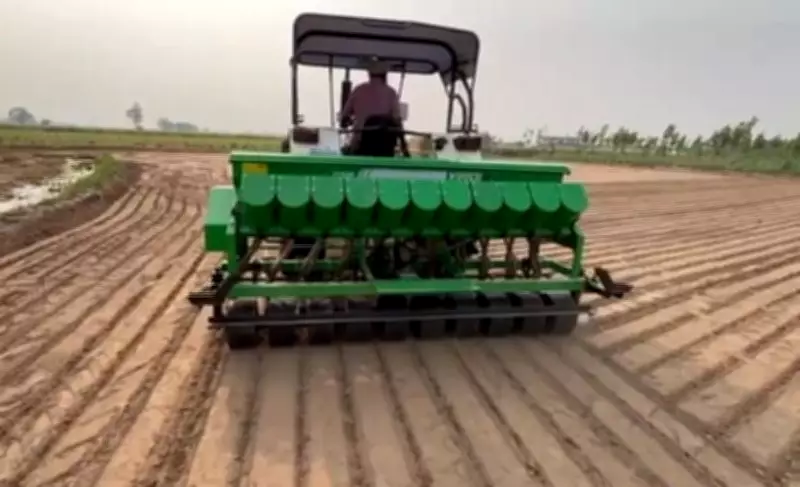
Direct Seeded Rice Technique Empowers Haryana Farmers with Financial Incentives
In a significant development for agricultural practices in Haryana, farmers are increasingly turning to the Direct Seeded Rice (DSR) technique to cultivate paddy, a move that not only enhances their earnings but also promotes environmental sustainability. This innovative method is gaining traction across the state, offering a viable alternative to traditional transplanting methods that have long dominated rice farming.
How DSR Works and Its Benefits
The DSR technique involves sowing rice seeds directly into the field, bypassing the labor-intensive process of raising seedlings in nurseries and then transplanting them. This approach offers multiple advantages for farmers in Haryana:
- Water Conservation: DSR reduces water usage by up to 30-40% compared to conventional methods, addressing critical water scarcity issues in the region.
- Cost Efficiency: By eliminating the need for nursery preparation and transplanting labor, farmers can save significantly on operational expenses.
- Time Savings: The technique shortens the crop cycle, allowing for better crop management and potential diversification.
Farmers adopting DSR have reported improved soil health and reduced dependency on manual labor, which is often scarce during peak seasons. This shift is particularly crucial in Haryana, where paddy is a major crop, contributing substantially to the state's agricultural output.

Government Incentives Driving Adoption
To encourage the adoption of DSR, the Haryana government has introduced financial incentives for farmers who implement this technique. These incentives are part of broader efforts to promote sustainable agriculture and reduce the environmental footprint of farming practices.
Key aspects of the incentive program include:
- Monetary Support: Farmers receive direct payments or subsidies for using DSR, helping offset initial setup costs.
- Training and Resources: The government provides training sessions and access to modern equipment to facilitate the transition.
- Awareness Campaigns: Initiatives are underway to educate farmers about the long-term benefits of DSR, including higher profitability and resource conservation.
This proactive approach has led to a noticeable increase in DSR adoption, with many farmers expressing satisfaction with the improved yields and reduced input costs. The incentives serve as a motivational tool, aligning economic benefits with ecological responsibility.
Impact on Haryana's Agricultural Landscape
The widespread implementation of DSR is poised to transform Haryana's paddy farming sector. By reducing water consumption, this technique helps mitigate the strain on groundwater resources, which are under pressure due to intensive irrigation practices. Additionally, the lower labor requirements make farming more manageable, especially for small and marginal farmers who often struggle with high costs.
Experts highlight that DSR not only boosts farmers' incomes through incentives and savings but also contributes to food security by ensuring stable production. As climate change poses challenges to agriculture, such innovative methods are essential for building resilience and sustainability in the farming community.
Looking ahead, the success of DSR in Haryana could serve as a model for other states in India, encouraging a nationwide shift towards more efficient and eco-friendly farming techniques. With continued government support and farmer participation, this initiative holds promise for a greener and more prosperous agricultural future.