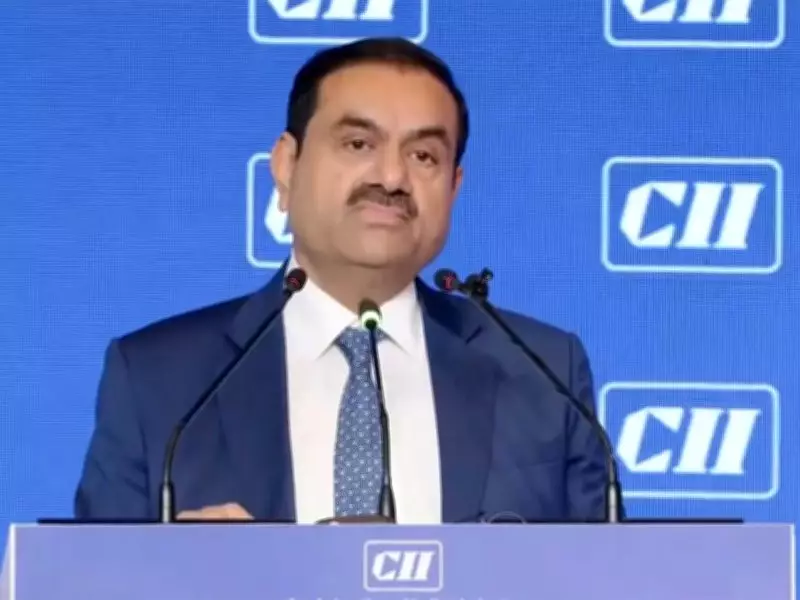
Gautam Adani, chairman of the Adani Group, has asserted that energy, compute, and artificial intelligence (AI) infrastructure will be the defining pillars of India's next economic cycle. Speaking at a recent industry event, Adani outlined a vision where these sectors not only drive growth but also position India as a global leader in sustainable and digital transformation.
The Role of Energy Infrastructure
Adani emphasized that energy remains the backbone of economic progress. He highlighted the shift towards renewable energy, stating that India's commitment to 500 GW of non-fossil fuel capacity by 2030 will create massive opportunities. The Adani Group itself has pledged $70 billion in green energy projects, including solar, wind, and hydrogen. According to Adani, this transition will reduce carbon emissions while ensuring energy security, which is critical for sustained industrial growth.
Compute as a New Utility
Drawing parallels to electricity, Adani described compute as the new utility of the digital age. He noted that data centers and high-performance computing are essential for processing the vast amounts of data generated by AI, IoT, and other technologies. The Adani Group has already entered this space with plans to build hyperscale data centers across India. Adani stressed that affordable and reliable compute power will be a competitive advantage for Indian businesses, enabling innovations in fintech, healthcare, and education.

AI Infrastructure: The Next Frontier
Adani identified AI infrastructure as the third critical component, encompassing hardware, software, and talent. He pointed to India's large pool of engineers and data scientists as a key strength. However, he called for more investment in AI-specific chips, cloud platforms, and research labs. The Adani Group is exploring partnerships with global tech firms to build AI capabilities, including large language models and machine learning applications tailored to Indian languages and contexts.
Synergy Between Sectors
Adani argued that these three sectors are interconnected. For instance, renewable energy can power energy-intensive data centers, while AI can optimize energy grids and compute workloads. He cited the example of smart grids that use AI to balance supply and demand, reducing waste. Similarly, compute resources can accelerate AI model training, creating a virtuous cycle of innovation. Adani predicted that India could leapfrog traditional development paths by integrating these technologies from the outset.
Economic Impact and Job Creation
The Adani chairman estimated that the energy, compute, and AI sectors could contribute over $1 trillion to India's GDP by 2030. He also highlighted the potential for job creation, not just in high-tech roles but also in ancillary services like installation, maintenance, and training. Adani called for policy support, including tax incentives for green energy, streamlined approvals for data centers, and increased funding for AI research in universities.
Challenges and the Way Forward
Adani acknowledged challenges such as high capital costs, regulatory hurdles, and the need for skilled manpower. He urged the government to create a National Infrastructure Pipeline for these sectors, similar to the one for traditional infrastructure. He also emphasized the importance of public-private partnerships to de-risk investments and accelerate deployment. Adani concluded by expressing confidence that India can achieve its goal of becoming a developed nation by 2047 if it prioritizes these three pillars.