

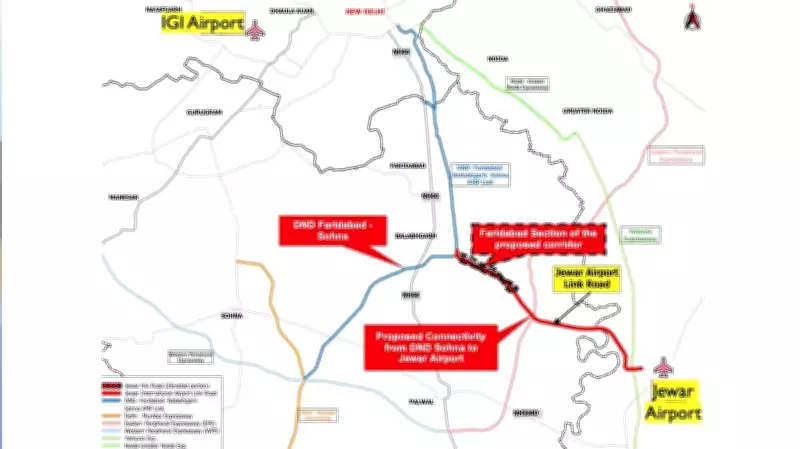
Faridabad-Jewar Airport Elevated Corridor: A Strategic Infrastructure Milestone
The proposed elevated corridor connecting Faridabad to the upcoming Jewar International Airport in Uttar Pradesh represents a pivotal infrastructure project for the National Capital Region (NCR). This development is poised to significantly enhance regional connectivity, streamline travel, and catalyze economic growth across Haryana and neighboring states.
Enhancing Regional Connectivity and Reducing Travel Time
Currently, the journey from Faridabad to Jewar Airport involves navigating through congested urban and rural roads, often taking over two hours during peak traffic. The elevated corridor, once operational, is expected to slash this travel time by more than half, providing a direct and efficient route. This improvement will not only benefit air travelers but also facilitate smoother movement of goods and services, bolstering trade and commerce in the region.
The corridor is designed to integrate seamlessly with existing highway networks, including the Yamuna Expressway and the Eastern Peripheral Expressway. This integration will create a comprehensive transportation web, reducing dependency on single routes and mitigating traffic bottlenecks. For residents and businesses in Faridabad, this means enhanced access to one of India's largest aviation hubs, set to handle millions of passengers annually.

Economic and Developmental Impacts
The significance of this corridor extends beyond mere transportation. It is anticipated to spur substantial economic development along its route. Key areas likely to benefit include:
- Real Estate Growth: Proximity to improved infrastructure often drives up property values, attracting investments in residential and commercial projects.
- Industrial Expansion: Enhanced logistics will support industries in Faridabad and nearby regions, boosting manufacturing and export capabilities.
- Job Creation: Construction and subsequent operational phases are expected to generate thousands of employment opportunities, contributing to local economies.
Moreover, the corridor aligns with broader government initiatives aimed at developing the NCR as a global economic hub. By improving connectivity to Jewar Airport, it supports tourism, international business, and regional integration, positioning the area as a competitive destination for both domestic and foreign investors.
Environmental and Urban Planning Considerations
While the project promises numerous benefits, it also necessitates careful environmental and urban planning. The elevated design aims to minimize land acquisition issues and reduce surface-level disruptions. However, authorities must address potential challenges such as noise pollution, ecological impacts, and sustainable resource use during construction.
Stakeholders, including local communities and environmental groups, have emphasized the need for inclusive planning that balances development with conservation. Implementing green technologies and ensuring compliance with environmental regulations will be crucial to the project's long-term success and public acceptance.
Future Prospects and Implementation Timeline
The Faridabad-Jewar Airport elevated corridor is currently in the planning and approval stages, with feasibility studies and detailed project reports underway. Government agencies are collaborating to fast-track necessary clearances, aiming for construction to commence within the next few years. Once completed, this infrastructure is expected to set a benchmark for similar projects across India, demonstrating how strategic connectivity can drive regional prosperity.
In summary, the Faridabad-Jewar Airport elevated corridor is more than just a road; it is a transformative initiative that will redefine mobility, economic dynamics, and quality of life in the NCR. As developments progress, it will be essential to monitor its implementation to ensure it delivers on its promise of sustainable and inclusive growth.






