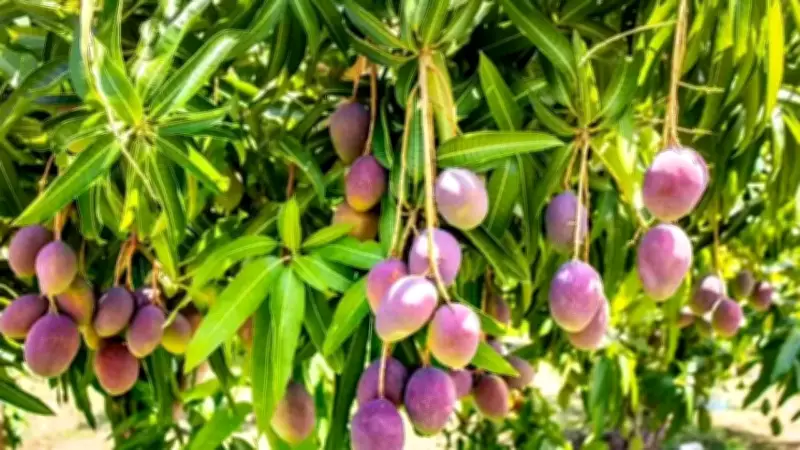
Karnataka Farmer Achieves Terrace Cultivation of World's Most Expensive Mango
Growing the world's most expensive mango, the Miyazaki variety often referred to as 'Eggs of the Sun,' on a terrace roof might seem like an improbable feat. However, a determined farmer from Udupi, Karnataka, has turned this unusual idea into a remarkable success story. This achievement highlights the potential for cultivating luxury fruits in urban settings with dedicated care.
The Miyazaki Mango: A Japanese Luxury Fruit
The Miyazaki mango is a prestigious Japanese variety celebrated for its exceptional sweetness, smooth texture, and striking appearance. In Japan, it is regarded as a luxury fruit, commanding prices between Rs 2.5 lakh and Rs 3 lakh per kilogram in certain markets. Known for its deep red to purple skin when ripe, this mango is prized for its unique flavour profile. Traditionally, it is considered challenging to grow outside its native climatic conditions, making this terrace cultivation even more noteworthy.
Joseph Lobo's Terrace Garden Success
According to reports from The Better India, gardener Joseph Lobo from Udupi shared his experience of successfully growing the rare Miyazaki mango on his rooftop. Lobo treated the plant similarly to other fruit varieties but provided consistent care and a nutrient-rich soil mix. Initially unaware of the mango's high market value, he enjoyed the first harvest with his family. It was only after a reporter identified the fruit as Miyazaki that the crop's significant worth came to light.

Since then, Lobo's terrace garden has attracted considerable interest from gardening enthusiasts eager to learn how to replicate his success at home. The Miyazaki mango plant took several years to bear fruit, underscoring the importance of patience when cultivating rare varieties in confined spaces. Lobo's methods suggest that individuals living in tropical coastal regions can grow special mango trees on terraces with suitable soil, ample sunlight, and organic care.
Step-by-Step Guide to Growing Miyazaki Mangoes
For those inspired to try terrace farming with exotic fruits, here is a detailed guide based on Lobo's approach:
- Choose the Right Sapling: Start with a healthy sapling rather than seeds to accelerate growth and strengthen the root system. Use large pots or grow bags to allow roots to spread effectively.
- Prepare a Nutrient-Rich Soil Mix: Create a balanced medium by combining 50% regular soil with 50% organic materials. Lobo used homemade mixtures including cow dung, sheep manure, curd, and vegetable scraps to enrich the soil.
- Careful Planting: Place the sapling in the grow bag carefully and position it in a sunny location, as mango trees require substantial sunlight for optimal development.
- Keep the Area Free of Chemicals: Avoid insecticides and chemical fertilisers. Instead, use natural products like neem oil to deter pests without introducing harmful substances.
- Regular Feeding and Watering: Apply the nutrient mix every 30 days and maintain a consistent watering schedule to promote plant health and fruit production.
- Allow Time for Growth: Be prepared for a waiting period; Miyazaki mangoes may take over three years to bear fruit, emphasizing the need for patience and consistent care.
Significance for Urban Home Gardeners
This success story holds particular relevance for urban home gardeners increasingly exploring terrace farming. It demonstrates the feasibility of growing food in limited spaces and introduces rare plant varieties to local gardens. The case of Miyazaki mangoes shows that terrace farming can be adapted for plants not typically suited to such environments, provided the right conditions and meticulous care are applied. This encourages more people to experiment with exotic cultivation, enhancing biodiversity and self-sufficiency in urban areas.

About the Miyazaki Mango Variety
Originating from Japan, the Miyazaki mango is distinguished by its vibrant colour and premium status in luxury fruit markets. In India, it has garnered interest among gardeners who appreciate exotic varieties. The fact that it can be grown successfully in a terrace garden underscores that with patience and attention to plant needs, cultivating exotic fruits is achievable even outside specialised orchards and controlled climates.