Gas Shortage Crisis in Karnataka Puts 1,500 Industries at Risk
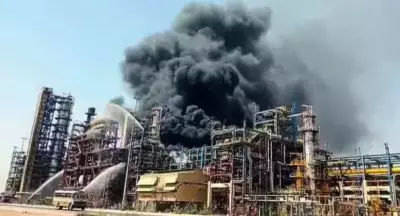
A critical shortage of gas in Karnataka is threatening to disrupt operations for approximately 1,500 industries and commercial units that depend on Piped Natural Gas (PNG) for their energy needs. This crisis has escalated to the point where the state's first gas-based power plant, located in Yelahanka, is on the brink of a temporary closure due to insufficient gas availability.
Widespread Impact on Industrial and Commercial Sectors
The potential curbs on gas supply could lead to significant operational halts across various sectors, including manufacturing, hospitality, and small businesses. Industries reliant on PNG for heating, processing, and power generation are particularly vulnerable, with many facing the prospect of production delays or complete shutdowns if the shortage persists.
This situation not only jeopardizes local employment but also risks disrupting supply chains and economic stability in the region. Business owners are expressing concerns over potential financial losses and the long-term viability of their operations under such constraints.

Yelahanka Power Plant Faces Temporary Closure
Adding to the gravity of the situation, Karnataka's inaugural gas-based power plant in Yelahanka is at risk of a temporary shutdown. This facility plays a crucial role in the state's energy grid, and its closure could exacerbate power shortages, affecting residential and commercial consumers alike.
The plant's reliance on a steady gas supply highlights the broader challenges in energy infrastructure and resource management. Authorities are under pressure to find immediate solutions to mitigate the impact on power generation and prevent further economic fallout.
Economic and Environmental Implications
The gas shortage underscores the need for diversified energy sources and improved supply chain resilience in Karnataka. As industries grapple with potential closures, there is a growing call for policy interventions and emergency measures to secure gas supplies or provide alternative energy options.
Environmental considerations also come into play, as disruptions in gas-based power could lead to increased reliance on less sustainable energy sources, potentially affecting air quality and carbon emissions in the region.
Stakeholders, including government bodies and industry associations, are urged to collaborate on short-term relief and long-term strategies to prevent similar crises in the future.