Gaya Industry Groups Push for Infrastructure Overhaul at Power Meeting
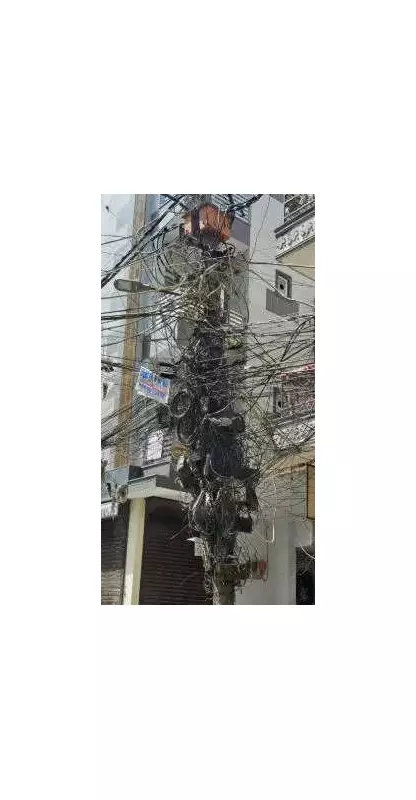
Industry and trade organizations in Gaya made a strong appeal to the Bihar Electricity Regulatory Commission on Monday. They called for immediate action to install underground electrical cables and move existing poles and transformers away from busy commercial zones. Representatives argued that the city's outdated power infrastructure is creating major traffic bottlenecks and undermining road expansion projects.
Interactive Session Highlights Infrastructure Challenges
The demands emerged during a detailed interactive session between BERC officials and various power consumer categories. The meeting took place at the Zila Parishad conference hall in Gaya. BERC chairman Aamir Subhani led the discussion alongside technical member Arun Kumar and judicial member Parshuram Yadav.
Kaushalendra Pratap Singh, patron of the Central Bihar Chamber of Commerce, and Anup Kedia, president of the Magadh Industries Association, presented the case for underground cabling. They emphasized that Gaya, as a significant pilgrimage and tourism destination, deserves special infrastructure consideration similar to the Vishnupad Corridor project.

The representatives explained that roads remain narrow despite widening efforts because electrical infrastructure was installed decades ago when population density was much lower. They identified specific problem areas including Swarajpuri Road, Church Road, and Nazareth Academy Road where road widening has proven ineffective due to unmoved poles and transformers.
Safety Concerns and Financial Arguments
Industry leaders highlighted dual risks posed by the current setup. Old poles and transformers not only obstruct traffic flow but also present serious safety hazards to pedestrians and vehicles. They asserted that the power distribution company's improved financial position makes it capable of funding underground cabling and infrastructure relocation without passing costs to consumers.
"The financial health of the power distribution company has strengthened significantly," noted one representative. "This improvement should translate into infrastructure upgrades rather than tariff hikes."
Strong Opposition to Proposed Tariff Increases
Stakeholders, including organized power consumer groups, firmly rejected the proposed electricity tariff hike. They pointed to substantial reductions in transmission losses and better financial management as evidence that the distribution company can implement necessary schemes without additional consumer burden.
The industry representatives made several specific demands regarding billing practices:
- Reduction in fixed charges for all user categories, including high-tension consumers
- Elimination of security deposit requirements for prepaid meter users
- Refund of security deposits already collected from prepaid consumers
- Discontinuation of charges for installing or removing service lines and distribution transformers
Support for Time-Based Tariff Structure
Power users in the Magadh region expressed support for introducing separate tariffs for peak and non-peak consumption hours. They suggested implementing a structure where peak-hour usage would cost 110% of the normal rate, while non-peak hours would be charged at 75% of the standard tariff.
The stakeholders also recommended extending the duration of non-peak hours to provide greater flexibility and savings for consumers. Yogendra Kumar Mishra formally submitted these proposals on behalf of the power consumer struggle committee.
The comprehensive presentation by Gaya's industry and trade bodies reflects growing frustration with infrastructure that hasn't kept pace with the city's development needs. Their arguments combine practical traffic concerns, safety considerations, and detailed financial analysis to make a compelling case for immediate regulatory action.