

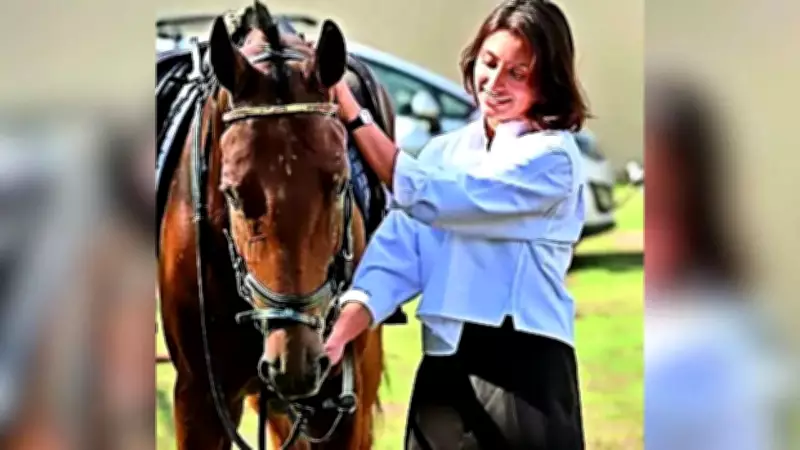
Gayatri Karad's Visionary Initiative Transforms India's Equine Landscape
In Pune, a dynamic young leader is spearheading a revolution in India's equine ecosystem. Gayatri Karad, aged 22, has established The Equine Collective as a pioneering platform that unites riders, breeders, veterinarians, and policymakers to address critical deficiencies in training, regulation, and infrastructure.
Equestrian Forum 2026 Highlights Government Backing
The recent Equestrian Forum 2026, which concluded on Sunday in Pune, showcased Karad's ambitious vision with robust governmental endorsement. This event gathered national and international experts for discussions spanning policy reform, disease control, skill enhancement, and global competitiveness.
Karad's inspiration stems from personal observation of the sector's fragmented nature. She noted informal training practices, structural voids, and a disconnect between grassroots workers and institutional frameworks. Even during her studies and training in Britain, where she encountered global certification systems like the British Horse Society, she pondered why India lacked a unified platform for its equine community.

"India boasts polo, racing, indigenous breeds, and a profound cultural bond with horses, yet these elements operate in isolation. We aimed to create a collaborative space for mutual learning and collective growth," Karad remarked at the forum.
Daund Skill Centre: Bridging Global Standards and Nature
A cornerstone of this initiative is the upcoming skill development centre in Daund. Designed to train grooms and youth to global benchmarks, it emphasizes reconnection with nature and discipline. This facility will serve as an immersive learning environment where students from educational institutions can engage in hands-on activities such as horse care, agricultural understanding, and disciplined living.
The centre addresses a significant employment gap: many Indian grooms, particularly from regions like Punjab and Rajasthan, work internationally without formal certification. By offering structured training aligned with global standards, Karad aims to enhance both employability and dignity within the sector.
Unlocking Potential: Indigenous Breeds and Rural Growth
India's indigenous horse breeds, such as the Marwari, hold international appeal but remain underutilized due to regulatory and export challenges. Karad envisions the equine sector as a catalyst for rural employment, export growth, and competitiveness in global equestrian sports.
Her initiative seamlessly integrates heritage, education, and job creation, positioning the equine industry as a potential driver of rural development and global opportunities for India. The government's openness to institutional partnerships, announced at the forum, signals serious consideration of these efforts, marking a promising step toward sectoral transformation.






