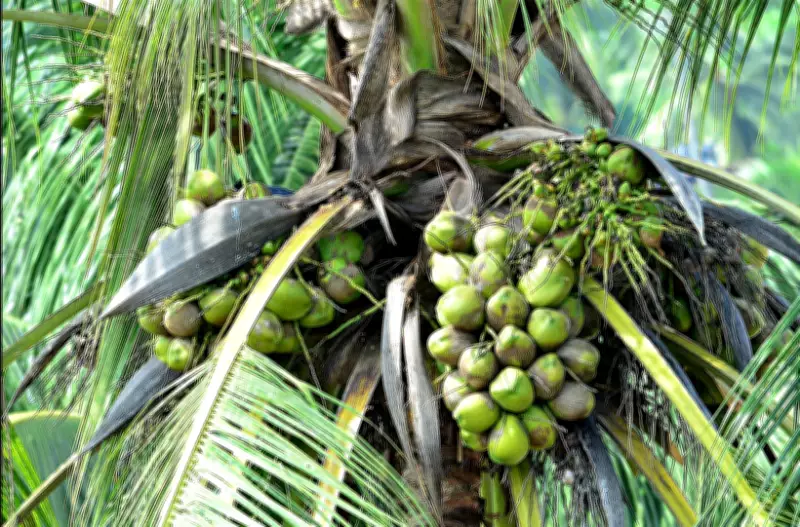
Goa's Agricultural Sector Reacts to Union Budget's Focus on High-Value Crops
The Union Budget's proposal to provide enhanced support for high-value horticultural crops, particularly coconut and cashew, has been met with cautious optimism by the farming community in Goa. While stakeholders acknowledge the potential benefits for modernization and market expansion, significant concerns about on-ground implementation and existing agricultural challenges persist.
Official Optimism: Modernization and Youth Engagement
Chandrahas Desai, Managing Director of the Goa State Horticulture Corporation Limited, expressed strong support for the budgetary measures. "Coconut and cashew enjoy substantial demand in both domestic and export markets," he stated. "Budgetary support will facilitate the modernization of orchards and promote scientific farming practices. This strategic intervention is expected to result in increased production volumes, improved crop quality, and a significant reduction in post-harvest losses."
Desai further emphasized the socio-economic ripple effects. "A crucial advantage is the potential to attract younger generations to horticulture as a viable and profitable profession. The growth of processing industries and value-added products—such as cashew kernels, coconut oil, virgin coconut oil, coir, and various by-products—will generate substantial rural employment opportunities," he added.

Farmer Perspectives: The Gap Between Policy and Practice
Despite the official enthusiasm, farmers like Nestor Rangel present a more nuanced view, highlighting that government initiatives often face practical hurdles. "While policy announcements appear promising on paper, tangible progress on the ground remains a work in progress," Rangel noted, pointing to specific threats to coconut cultivation.
The damage caused by wildlife, especially the red-faced macaque and the giant Malabar squirrel, which are known to destroy coconut palms, represents a severe and ongoing challenge. Compounding this issue are persistent infestations from pests such as whiteflies, mites, the Rhinoceros beetle, and the destructive red palm weevil, all of which jeopardize crop health and overall productivity.
Pest Infestations and Climate Concerns
Cashew farmers in the state face their own set of persistent problems, primarily the infestation of stem and root borers. These pests can severely damage cashew trees, leading to reduced yields and making it increasingly difficult for farmers to maintain healthy, productive orchards.
Beyond immediate pest control, farmers are calling for longer-term strategic support. "The government must prioritize and encourage research into developing climate-resilient crop varieties," urged another farmer. "These varieties are essential to withstand the escalating challenges posed by climate change, ensuring sustainable agriculture for the future."
Untapped Potential: The Case for Cocoa Cultivation
An additional aspect that local farmers believe deserves budgetary attention is the promotion of cocoa cultivation. Goa's tropical climate and unique coastal soil conditions are considered highly suitable for cocoa farming, yet this sector remains largely underdeveloped and underexploited.
"We possess tremendous potential for cocoa, particularly certain varieties that thrive in coastal regions," explained a progressive farmer from Sattari. This sentiment underscores a broader desire for the budget to not only support existing crops but also to diversify and strengthen Goa's agricultural portfolio by tapping into high-potential, underutilized sectors like cocoa.
In summary, the Union Budget's focus on coconut and cashew has been welcomed in Goa as a step in the right direction. However, the farming community's response is tempered by a clear-eyed assessment of the practical obstacles—from wildlife and pests to the need for climate adaptation and crop diversification—that must be addressed for these policy measures to translate into genuine, sustainable benefits for the state's agricultural sector.