

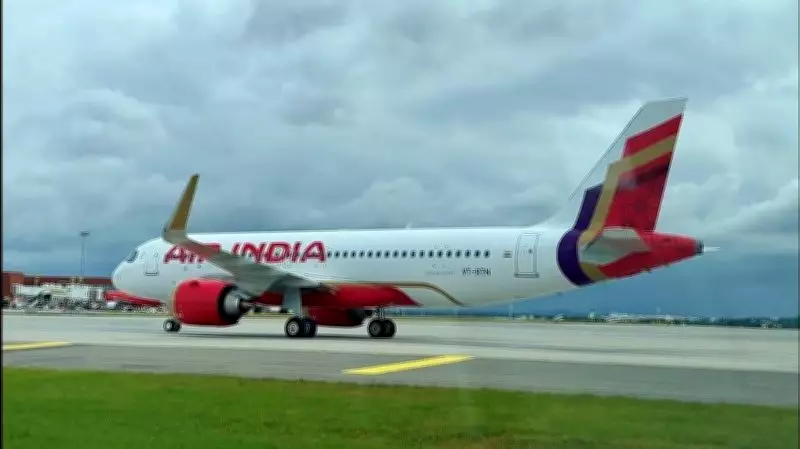
Government Suspends Free Airline Seat Mandate Following Industry Opposition
The Indian government has decided to put a controversial order on hold that would have required airlines to keep 60 seats free of charge on flights. This move comes after significant pushback from the aviation industry, which raised concerns about the operational and financial implications of such a mandate.
Details of the Suspended Order
The order, which was initially issued to ensure availability of seats for emergency or last-minute travel, mandated that airlines reserve 60 seats per flight without any charge. This was intended to facilitate travel for government officials, medical emergencies, or other urgent needs. However, airlines argued that this would lead to substantial revenue losses and disrupt their scheduling and capacity management.
Industry representatives highlighted that in a sector already grappling with high operational costs and competitive pressures, such a requirement could severely impact profitability. They also pointed out logistical challenges, as reserving seats without prior bookings could lead to inefficiencies and potential conflicts with paying passengers.

Industry Response and Government Reaction
The aviation industry, including major airlines and industry bodies, lobbied aggressively against the order. They presented data showing potential losses running into crores of rupees annually, emphasizing that this could hinder recovery efforts post-pandemic. In response, the government has temporarily suspended the order to review the concerns and explore alternative solutions.
Officials stated that the decision to put the order on hold reflects a collaborative approach, aiming to balance public interest with industry viability. They acknowledged the need for flexibility in aviation policies, especially in a dynamic economic environment.
Implications and Future Outlook
This suspension is seen as a relief for airlines, who can now avoid immediate financial strain. However, the government has indicated that it may revisit the issue with modified proposals, such as offering subsidies or incentives to offset costs for airlines. Stakeholders are urged to engage in further discussions to find a mutually acceptable framework.
The incident underscores the ongoing tensions between regulatory mandates and industry capabilities in India's aviation sector. As travel demand rebounds, finding sustainable solutions that serve both public and commercial interests remains a key challenge.






