Kerala's Industrial Landscape Transformed by ₹5 Billion Green Steel Initiative
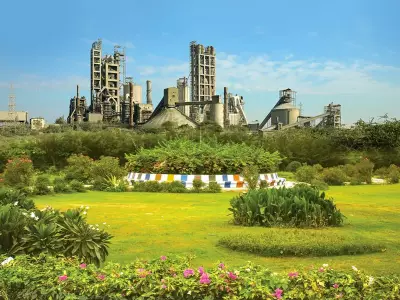
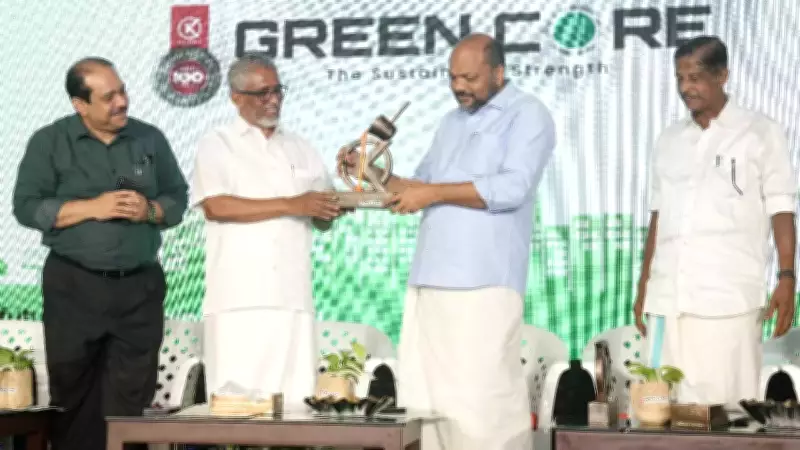
A monumental industrial investment is poised to fundamentally reshape the manufacturing ecosystem of Kerala. In Palakkad district, a state-of-the-art ₹5 billion steel manufacturing facility named Green Core is emerging under the leadership of the Kalliyath Group, a prominent South India–based steel conglomerate with extensive sector expertise. The project is spearheaded by Noor Muhammed Noorsha Kalliyath, Chairman of the Kalliyath Group, and Dirsha Kalliyath Muhammed, Director of the Kalliyath Group.
Revolutionizing Steel Production with Sustainability at Its Core
This ambitious initiative represents a paradigm shift in steel manufacturing, placing sustainability and resource efficiency at the forefront of industrial development. Traditionally, steel production has been synonymous with high energy consumption and significant environmental impact. The Green Core project directly confronts these challenges through innovative technological and operational transformations designed to dramatically reduce the environmental footprint of steelmaking.
The company positions this venture as a crucial component of a broader transition toward low-carbon manufacturing. A cornerstone of the Green Core approach is the implementation of direct hot charging and rolling processes, which completely eliminate the need for fossil fuels. This advanced methodology is projected to reduce energy consumption by an estimated 30 to 50 units per tonne of steel produced. Annually, this translates to a substantial reduction of at least 3.54 million units of electricity.

Advanced Technologies Driving Unprecedented Efficiency
The Green Core facility will deploy IGBT-based voltage-fed induction furnaces, recognized as among the most energy-efficient melting technologies available globally. Compared to conventional induction furnaces, this innovation is expected to yield an additional power reduction of 10–15 units per tonne, resulting in approximately 1.18 million units of electricity saved each year. The entire plant is engineered to operate without any fossil fuel inputs, thereby eradicating the full life-cycle emissions associated with fuel handling, logistics, and combustion processes.
Water Conservation: A 99% Reduction in Usage
Water conservation receives equal emphasis in this groundbreaking project. Conventional steel plants are notoriously water-intensive, particularly for cooling purposes. The Green Core facility plans to replace traditional water-cooling systems with advanced dry cooling technology, slashing process water consumption by nearly 99 percent. This measure holds profound significance in regions where industrial water demand frequently competes with agricultural and domestic needs.
Rainwater harvesting will play a vital role in the plant's daily operations. With a total roof area spanning 14,100 square metres, rainwater from all factory sheds will be captured through robust gutter systems and stored for reuse within the facility.
Furthermore, the project includes a proactive intervention for groundwater protection. Plans involve constructing a 100-metre-long sub-surface dyke along the southwest boundary of the site, extending up to 8 metres below the surface. This structure will help prevent groundwater outflow while promoting recharge of the local aquifer. Collectively, these water management strategies are anticipated to save approximately 1.87 lakh kilolitres of water annually compared to conventional steelmaking practices.
Economic Impact and National Alignment
The Green Core project carries substantial economic implications for the region. Upon full operational capacity, it is expected to generate more than 1,000 direct and indirect employment opportunities. Local supply chains, transport services, and small ancillary units are also poised to benefit significantly from the heightened industrial activity.
Kalliyath Group emphasizes that Green Core aligns seamlessly with national priorities on sustainable manufacturing, circular economy principles, and self-reliance. Recycled steel will constitute a major portion of the raw material mix, reducing dependence on virgin materials and enabling clean, electrified processes that enhance both operational safety and efficiency.

With this transformative investment, Palakkad is positioned to play a pivotal role in Kerala's industrial evolution toward greener, future-ready manufacturing, reinforcing the state's steadfast commitment to responsible and sustainable economic growth.